
Skip to content

Rubbing Alcohol

Medium Risk

Also known as:

isopropanol Isopropyl alcohol

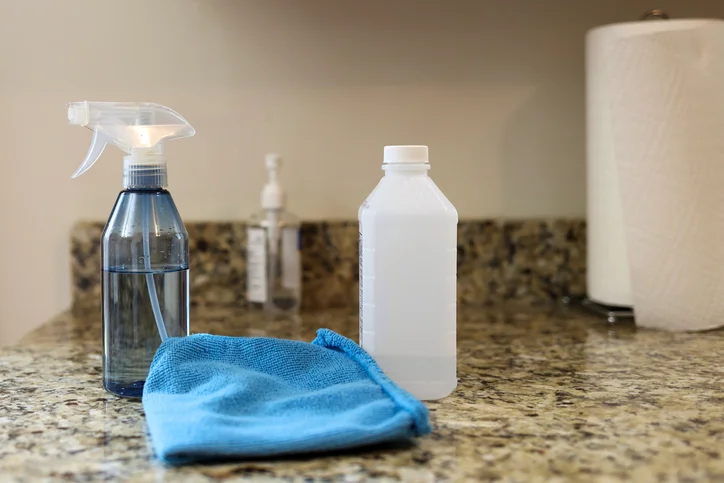
A bottle of rubbing alcohol on a counter next to a blue rag and a spray bottle.

Possible Symptoms

  • Bitter taste in the mouth
  • Stomach upset, nausea, vomiting, and abdominal pain
  • Skin dryness, redness, and irritation

What to Do

  1. Wipe or rinse out mouth.
  2. Give a serving size of water to drink.
  3. Rinse any exposed skin with lukewarm water.
  4. Call 1-800-222-1222 for additional instructions.
If Exposed to Eyes

If someone gets rubbing alcohol in the eye, expect intense burning and stinging, which requires prompt first aid to avoid an eye injury.

  1. Start rinsing eye(s) with lukewarm water.
  2. Call the Missouri Poison Center at 1-800-222-1222 for further recommendations.

There are formulations that are listed as Wintergreen and often green in color. These types contain Methyl Salicylate (related to aspirin) and can cause additional effects. Call the Poison Help line for assistance.

Additional Information

Quick Facts About Rubbing Alcohol

Rubbing alcohol is a product familiar to most people and is widely available in the pharmacy aisle of grocery and department stores. It is used in homes, industries, and healthcare settings. 

There can be some confusion about rubbing alcohol vs. isopropyl alcohol. Isopropyl alcohol (also known as isopropanol) is a single-ingredient product, but it is mainly for industrial use. Rubbing alcohol is used in healthcare settings and the home. It is a mixture of isopropyl alcohol mixed with water— typically 70% isopropyl alcohol and 30% water. Rubbing alcohol helps disinfect minor cuts and scrapes, as well as items such as thermometers, phones, and computer keyboards. Historically, the word “rubbing” was added to emphasize that the product is intended for external use only and as an aid to help distinguish it from the alcohol designed for consumption.

Rubbing alcohol has a distinct pungent smell that is familiar to people; it reminds most of the doctor’s office or hospital. It is clear, like water, which leads to accidental ingestion, especially if someone transferred the rubbing alcohol to a beverage container. Some products have a bittering agent added for safety, which causes an immediate reaction of coughing, spitting, and gagging. This is done purposely to prevent or minimize the amount of rubbing alcohol someone may accidentally swallow.   

What happens if you drink rubbing alcohol?

The alcohol in rubbing alcohol is like that found in beverages such as wine or beer (ethanol) but is NOT the same. If ingested in amounts significant enough to cause drunkenness, there can be vomiting, drowsiness, and ataxia, which may lead to severe symptoms, including shallow breathing, changes in vital signs, and deep coma. This is because it is much more potent than ethanol. It is very irritating to the gastrointestinal system and causes abdominal pain and vomiting, with the possibility of internal bleeding.

Rubbing alcohol should be used with safety in mind, preferably in a well-ventilated area to minimize breathing in the fumes. Since it looks exactly like water, store it in its original container to avoid accidental ingestion. Store rubbing alcohol up high, out of the sight and reach of children and pets. In the past, parents (and even doctors) gave their children sponge baths to treat fevers. It does not reduce fever and can be absorbed through the skin and inhaled into the lungs, leading to toxic symptoms. Because of the possibility of toxic symptoms, this is no longer a recommended practice.

What To Do If Someone Drinks Rubbing Alcohol

If you find someone has swallowed a small amount of rubbing alcohol, do not induce vomiting, and do not panic. Move the person into fresh air to avoid breathing in fumes, rinse or wipe out the mouth with a soft, wet cloth, and flush any exposed skin with water. Give the person some water to drink and call the Missouri Poison Center right away at 1-800-222-1222 for specific instructions and follow-up phone calls. The poison center is open all day, every day, for poisoning emergencies and questions.

**Note: Don’t forget that every case is different. To make sure you are getting the best information for your individual situation, click below to call or chat. It is fast, free, and confidential.

Take The Missouri Poison Center With You

Emergencies don’t wait for you, so you shouldn’t have to wait to call for help. Get the Missouri Poison Center app with poison information and a link to the Poison Help Line. It is just a click away during the most stressful moments. Our registered nurses and pharmacists are here 24/7/365 days a year to help guide you through poison exposures and overdose emergencies.

Don’t wait. Download now.
Smartphone screen showing the Missouri Poison Center Poison Help app icon alongside other standard apps

Cart
Call Now