
Skip to content

Antifreeze

Highly Toxic

Also known as:

coolant de-icer Peak® Prestone® Zerex™ Valvoline™

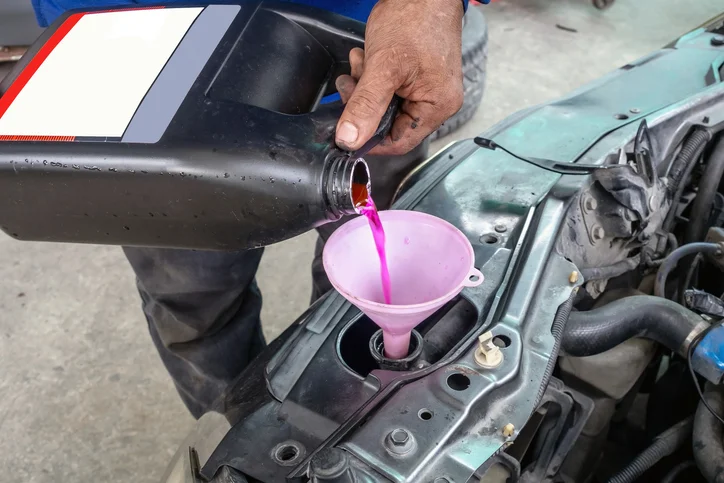
A mechanic pours pink antifreeze into a car.

Possible Symptoms

  • Nausea, vomiting, and abdominal pain
  • Fatigue and drowsiness
  • Lack of coordination
  • Slurred speech

What to Do

  1. Wipe or rinse out mouth.
  2. Give a serving size of water to drink.
  3. Rinse any exposed skin with lukewarm water.
  4. Call 1-800-222-1222 for additional instructions.
If Exposed to Eyes

If someone gets antifreeze in the eye there can be immediate burning and stinging which requires prompt first aid to avoid an eye injury.

  1. Start rinsing eye(s) with lukewarm water.
  2. Call the Missouri Poison Center at 1-800-222-1222 for further recommendations.

Additional Information

Antifreeze (sometimes called coolant) is a liquid used in vehicles to prevent radiator fluid from freezing in cold weather and overheating during the hot summer months. The antifreeze is diluted and placed in the radiator with water in a 1:1 ratio. The active ingredient in antifreeze is typically ethylene glycol, which is colorless, odorless, and has a sweet taste. Manufacturers add sodium fluorescein, a brightly colored dye, to help identify leaks in the automotive system.

The poison center receives many calls about accidental exposures to antifreeze. The most common scenarios are when the antifreeze is transferred from its original container to an unmarked bottle or beverage container when an unsuspecting person mistakes the bottle for something to drink, or even an accidental taste or mouthful because of unsuccessful siphoning.

The poison center will watch small, accidental ingestions of diluted antifreeze in the home setting. Expect a lot of questions with the initial phone call because antifreeze is a highly toxic substance. It is best to have the product nearby to determine the active ingredient of the antifreeze involved. There will be follow-up phone calls to check on the development of any symptoms. If the person is experiencing any symptoms beyond minor ones, they will need to go to an emergency room.

What happens if you drink antifreeze?

The types of symptoms expected with antifreeze poisoning start with stomach upset, nausea, and vomiting. As the antifreeze begins to be absorbed, expect to see alcohol intoxication symptoms such as drowsiness, loss of balance, confusion, and slurred speech.

The active ingredient in antifreeze, ethylene glycol, breaks down into toxic metabolites in the body, and the accumulation of the toxic metabolites is responsible for harmful effects. The more antifreeze someone ingests, the larger the amount of toxic metabolites generated, resulting in increasingly worse symptoms. With significant poisoning, there can be multi-organ damage in the body; the damage can be permanent and even fatal. The person needs proper medical attention; starting treatment as early as possible will improve the outcome.

Prevent accidental antifreeze poisoning:

  • Clean up any spill immediately. Sprinkle an absorbent material directly onto the spill, kitty litter and sand work well. Once the liquid is absorbed, you can scoop it up and discard it. Do not allow children or pets in the area until the spill is clean.
  • Do not transfer antifreeze to a different container, especially a food or drink container.
  • Store antifreeze in its original container up high and out of sight of children.
  • Before storing the container, make sure the cap is securely in place.
  • Do not dispose of antifreeze by pouring it into storm sewers or on the ground. Dispose of this chemical according to your community’s hazardous waste regulations. You can typically find this information online by searching for hazardous waste disposal.

If you find someone has swallowed a small amount of antifreeze, do not panic. Wipe out the mouth with a soft, wet cloth and give them some water to drink. It is essential to call the Missouri Poison Center right away at 1-800-222-1222. The poison center is open all day, every day, for poisoning emergencies and questions.

**Note: Don’t forget, every case is different. To make sure you are getting the best information for your individual situation, click below to call or chat. It is fast, free, and confidential.

Take The Missouri Poison Center With You

Emergencies don’t wait for you, so you shouldn’t have to wait to call for help. Get the Missouri Poison Center app with poison information and a link to the Poison Help Line. It is just a click away during the most stressful moments. Our registered nurses and pharmacists are here 24/7/365 days a year to help guide you through poison exposures and overdose emergencies.

Don’t wait. Download now.
Smartphone screen showing the Missouri Poison Center Poison Help app icon alongside other standard apps

Cart
Call Now