

Many use alcohol to unwind, celebrate, or for pleasure, but drinking too much too quickly can lead to serious, sometimes deadly consequences. Drinking large quantities of beer, wine, or other alcoholic beverages in a short amount of time can lead to alcohol intoxication or a more serious alcohol poisoning. It’s also possible to be at risk over a long period of time. A person or child experiencing alcohol poisoning needs medical attention right away.
What Is Alcohol Poisoning?
Alcohol poisoning occurs when there is so much alcohol in the bloodstream that the body is physically affected. This can lead to coma and death. It may hinder basic life-support functions like breathing, heart rate, and temperature control.
Alcohol poisoning can happen to anyone, even children. Adults and young adults are at risk, but a child’s smaller body puts them at a higher risk. Young children experience the negative effects faster than adults.
Signs of Severe Alcohol Poisoning
Signs & symptoms include:
- Confusion
- Vomiting
- Seizures
- Blue or pale-tinged skin
- Irregular or slow breathing
- Low body temperature
- Passing out and not waking up
What Is the Best Thing to Do for Someone Experiencing Severe Alcohol Poisoning?
If you find someone who is experiencing symptoms of alcohol poisoning, get help and call 911. Don’t be afraid of calling for help— it’s always better for them to be alive than out of trouble. While waiting for help, stay beside the person and keep them awake, if possible.
If the person does lose consciousness, make sure to roll them on their side with their head turned to prevent choking on vomit. Seek emergency medical treatment.
How Do You Treat Alcohol Poisoning?
Sometimes, the poisoning is mild and a person can recover at home. The best thing someone can do here is rest, drink plenty of fluids, and stop drinking to give the body time to recover.
If a case is too severe, the person may need to be seen in the emergency department to receive intravenous fluids, supportive care, and be under observation. In this case, it is dangerous to try home remedies like cold showers, inducing vomiting, hot coffee, or sleeping it off.
Call the Missouri Poison Center if you need help determining the treatment at 1-800-222-1222.
What Causes Alcohol Poisoning?
Alcohol poisoning is a result of drinking too much of any type of alcoholic beverage. Beer, wine, or liquor can all cause alcohol intoxication. When your body absorbs alcohol, it enters your bloodstream, raising your blood alcohol levels. The liver helps to break down alcohol, but if the blood alcohol level is too high, it can overwhelm the liver and keep it from removing toxins fast enough. These toxins can affect the brain that controls vital body functions.
What Is Binge Drinking?
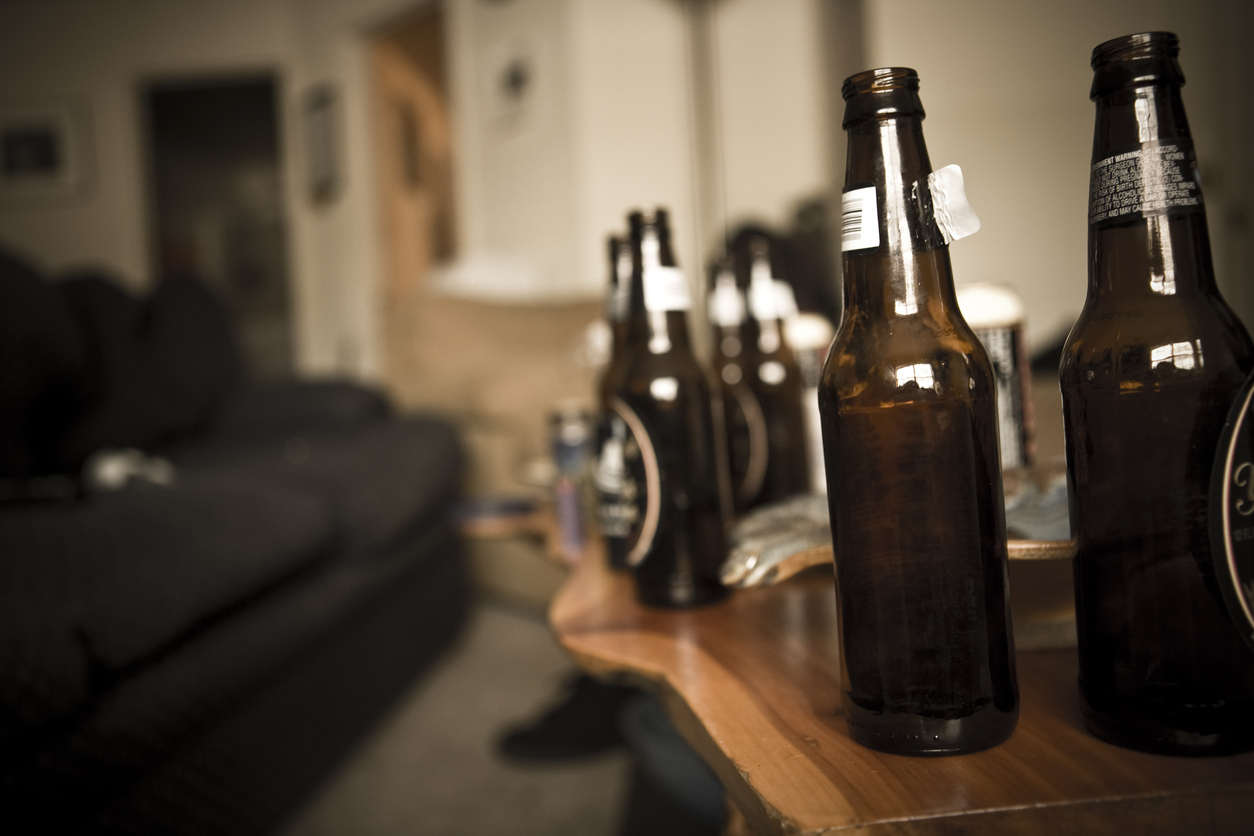
One of the most common causes of alcohol poisoning is binge drinking. Binge drinking is a pattern of heavy drinking. For women, consuming four or more drinks within two hours is considered binge drinking. For men, it’s five or more drinks within two hours.
How Much Alcohol Causes Alcohol Poisoning?
The correct answer is… it depends. There are many factors that can increase your risk of alcohol poisoning, including:
- Your weight and body type
- Health
- Recent food intake
- Use of other substances or drugs
- Type and percent of the alcohol you drank
- Time spent drinking alcohol
- Overall tolerance to alcohol
How Long Does Alcohol Poisoning Last?
The length of time alcohol poisoning lasts depends on how much alcohol was consumed and how quickly the body can process it. On average, the liver can break down about one standard drink per hour. If someone has consumed a large amount of alcohol in a short period, it may take many hours for the body to fully process it. During this time, blood alcohol levels can continue to rise even after the person has stopped drinking, which means symptoms can get worse before they get better.
For mild cases, symptoms may begin to improve within several hours as the body works to eliminate the alcohol. In more severe cases, recovery can take much longer and may require medical monitoring. It is important not to assume someone is “sleeping it off” safely. If you are unsure how serious the situation is, it is always better to seek medical advice or call the Missouri Poison Center for guidance.
What Is the Blood Alcohol Concentration (BAC) for Alcohol Poisoning?
Authorities and medical professionals measure alcohol in the bloodstream in milligrams of alcohol per 100 milliliters of blood. This is known as your blood alcohol concentration or BAC.
Here is a breakdown of BAC levels and how they may affect someone:
- Above 0.08: Legally impaired to drive in Missouri. This level can lead to someone experiencing confusion, nausea, drowsiness, and agitation.
- 0.2-0.249: May need assistance with walking, experience confusion, nausea, and vomiting, or possibly blackout.
- 0.25-0.399: Significantly impaired and will most likely lead to a loss of consciousness, trouble breathing, and vomiting.
- 0.4 or up: May lead to a coma and/or possibly death.
Preventing Alcohol Poisoning
The best way to prevent alcohol poisoning is to drink in moderation if at all. A good guideline for healthy adults is no more than 7 drinks a week for women, and no more than 14 drinks a week for men.
A drink is 0.6 ounces of pure alcohol. In practice, this looks like about 1 shot of 80-proof liquor, a 5-ounce glass of wine, or a 12-ounce beer. This may vary depending on the drink’s alcohol percentage.
When drinking, don’t drink on an empty stomach. That way, your stomach has something to slow the alcohol absorption.
Preventing Teens & Children from the Risks of Alcohol
The best way to prevent alcohol poisoning in teens is by communicating with them. Teenagers who are warned about alcohol and the dangers of overdrinking by parents or adults they are close with are less likely to start drinking.
If you have children in the house or visiting your home, the best thing to do is store alcohol products safely somewhere away from their reach. This includes cosmetics, mouthwash, hand sanitizer, and even cleaning supplies. Use locking devices on your kitchen and bathroom cabinets to prevent children from having access to these items.
Long-Term Effects of Consistent Poisoning
Repeated episodes of alcohol poisoning can take a serious toll on the body over time. The liver, which is responsible for filtering alcohol from the bloodstream, can become damaged from ongoing heavy use. This may lead to conditions like fatty liver disease, hepatitis, or cirrhosis. The heart, digestive system, and immune system can also be affected, making a person more vulnerable to illness and long-term health problems.
Beyond the physical effects, consistent alcohol poisoning can also impact the brain and mental health. Over time, heavy drinking can lead to memory problems, difficulty with concentration, and increased risk of anxiety and depression. It can also raise a person’s tolerance, meaning they may need to drink more to feel the same effects, which further increases the risk of future poisoning. If you or someone you know is struggling with repeated heavy drinking, reaching out to a healthcare provider is an important step toward getting help.
Is Someone You Know Experiencing Alcohol Poisoning?
If you are worried someone is experiencing alcohol poisoning, call 911 and seek medical help. At the Missouri Poison Center, our registered nurses and pharmacists are here 24/7/365 to answer any questions you may have regarding poisonings. It’s free and confidential, so don’t wait, call now.
Frequently Asked Questions
Yes. Alcohol poisoning can come from any product that contains alcohol, not just traditional alcoholic beverages. Rubbing alcohol, mouthwash, hand sanitizer, and certain cleaning products all contain forms of alcohol that can be toxic if swallowed. This is especially important to keep in mind when it comes to children, who may not know the difference between a drink and a household product. If someone has swallowed a non-beverage alcohol product, call the Missouri Poison Center or 911 right away.
Mixing alcohol with certain medications can be very dangerous and may increase the risk of alcohol poisoning or other serious side effects. Prescription drugs, over-the-counter pain relievers, sleep aids, and anti-anxiety medications can all interact with alcohol in harmful ways. These combinations may slow breathing, increase drowsiness, or put extra strain on the liver. Always check medication labels and talk with your doctor or pharmacist about whether it is safe to drink while taking any medication.
Unfortunately, yes. One of the biggest dangers of alcohol poisoning is that a person can lose consciousness and continue to be at risk even while appearing to sleep. Blood alcohol levels may still be rising, breathing can slow or stop, and a person can choke on their own vomit without waking up. This is why it is critical to never leave someone alone to “sleep it off” if you suspect they have had too much to drink. Stay with them, keep them on their side, and call for help if you are concerned.
Older adults can be more vulnerable to the effects of alcohol poisoning. As people age, the body processes alcohol more slowly, and changes in body composition mean alcohol stays in the system longer. Many older adults also take medications that can interact with alcohol, further increasing the risk of a serious reaction. Even amounts that may have been manageable at a younger age can lead to dangerous levels of impairment or poisoning later in life.
Referencing content from this page? Please attribute the Missouri Poison Center with either of these links:
https://missouripoisoncenter.org/ or https://missouripoisoncenter.org/can-alcohol-poisoning-cause-serious-side-effects-or-death/
Suggested APA citation:
Missouri Poison Center Trending Topics Blog. (2022, February 23). Alcohol Poisoning Summarized: Signs and What To Do. Missouri Poison Center. https://missouripoisoncenter.org/can-alcohol-poisoning-cause-serious-side-effects-or-death/