
Skip to content

Disinfectant Cleaners

Medium Risk

Also known as:

CleanSmart™ Disinfectant Spray Clorox Scentiva® Disinfecting Mist Clorox® Disinfecting Mist Lysol® Disinfectant Spray Microban® Disinfectant Spray OdoBan® Disinfectant Purell® Surface Sanitizer Seventh Generation® Disinfectant Spray Uline Disinfectant Spray Zep® Freshen Disinfectant Spray

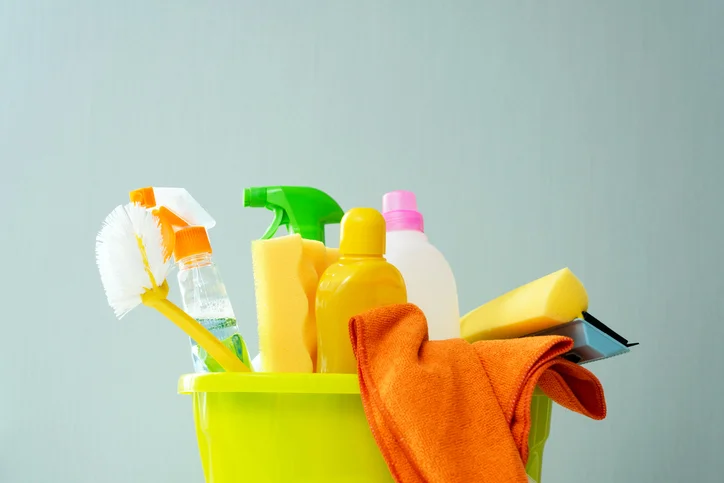
A bucket full of disinfectant cleaners, brushes, and cloths.

Possible Symptoms

  • Minor stomach upset
  • Nausea and vomiting
  • Minor skin irritation
  • Eye irritation

What to Do

  1. Wipe or rinse out mouth.
  2. Give a serving size of water to drink.
  3. Rinse any exposed skin with lukewarm water.
  4. Call 1-800-222-1222 for additional instructions
If Exposed to Eyes

If someone gets a disinfectant cleaner in the eye(s) there can be immediate burning and stinging which requires prompt first aid to avoid an eye injury.

  1. Start rinsing eye(s) with lukewarm water.
  2. Call the Missouri Poison Center at 1-800-222-1222 for further recommendations.

Important

Concentrated disinfectant cleaners may cause more serious symptoms than ready-to-use products. Call the Missouri Poison Center to discuss the specific product.

Additional Information

What is a disinfectant?

Disinfectant cleaners are chemicals that kill germs (bacteria, mold, and viruses), helping prevent infections and illness. They are a type of biocide. A wide array of household products and various chemicals are available to be purchased online or in stores. Cleaning with household disinfectants occurs daily; however, during the winter months, disinfectants are frequently used to combat colds, flu, and other viral illnesses associated with cold weather.

Disinfectants should not be confused with antiseptics. Although they both kill germs, antiseptics kill them on your skin, while disinfectants kill them on non-living surfaces. Disinfectants are not a substitute for antiseptics. They contain the same types of chemicals; however, the chemicals are present in higher concentrations, increasing the chance for unwanted effects.

Exposure in Children vs. Adults

Calls to the poison center involve both children and adults. The typical exposure for a child is exploratory taste amounts, such as finding a child with their mouth on the nozzle of a disinfectant spray or spraying the product on themselves or a sibling. If this happens, start flushing the exposed skin with lukewarm water and give the child some water to drink. Call the poison center as soon as possible for more detailed information.

Adults also have mishaps when getting the spray on themselves, such as spraying something over their heads and exposing the person to the mist. Sometimes disinfectant cleaners are not stored in their original containers; somebody may accidentally ingest a cleaner placed in a drinking cup or bottle. This is a more complicated situation. Offer water to drink and call the poison center immediately. It is essential to have the disinfectant product with its label available during the phone call so the poison expert can give the correct recommendations.

A person should use disinfectants properly to be effective and safe:

  • The manufacturer includes instructions, but the user must read the label directions BEFORE using the product.
  • Do not mix different cleaners. This could result in a chemical reaction.
  • Be sure to wear protective gear and use it in a well-ventilated area.
  • Disinfectants are not cleaners; clean any surface thoroughly before applying the disinfectant to kill germs.
  • Read the instructions closely; they will include how long the disinfectant needs to remain on the surface to be effective.
  • The label includes the expiration date; it will not be as effective after that date.
  • When done using a pump spray disinfectant, turn the nozzle to the OFF position, and store the container out of the reach and sight of children to prevent accidental poisonings.

If you find someone has swallowed a small amount of a disinfectant cleaner, do not panic. Wipe out the mouth with a soft, wet cloth and give them some water to drink. If problems start or you have questions, call the Missouri Poison Center right away at 1-800-222-1222. The poison center is open all day, every day, for poisoning emergencies and questions.

**Note: Don’t forget, every case is different. To make sure you are getting the best information for your individual situation, click below to call or chat. It is fast, free, and confidential.

Take The Missouri Poison Center With You

Emergencies don’t wait for you, so you shouldn’t have to wait to call for help. Get the Missouri Poison Center app with poison information and a link to the Poison Help Line. It is just a click away during the most stressful moments. Our registered nurses and pharmacists are here 24/7/365 days a year to help guide you through poison exposures and overdose emergencies.

Don’t wait. Download now.
Smartphone screen showing the Missouri Poison Center Poison Help app icon alongside other standard apps

Cart
Call Now