

Plants Around the Winter Home
The garden may not be producing, but that doesn’t mean all plants are gone. Here are some tips for common plants and berries around the house this season.
A variety of winter plants can pose a risk to children. Most often, children do no swallow enough to cause serious symptoms, however, if someone has ingested part of a plant, play it safe and call the Poison Help line at 1-800-222-1222 for help! You may try to identify the plant online, but it is best to immediately call our specially trained nurses and pharmacists for advice. Our experts might ask you to text us a picture so we can help identify the plant and we will determine the next steps to help you quickly take care of the problem. Time is important and the sooner we have an identification, the quicker we can recommend the best care.
Winter Plant Identification & Risks
Here are some of the plants that could be around the house this time of year:
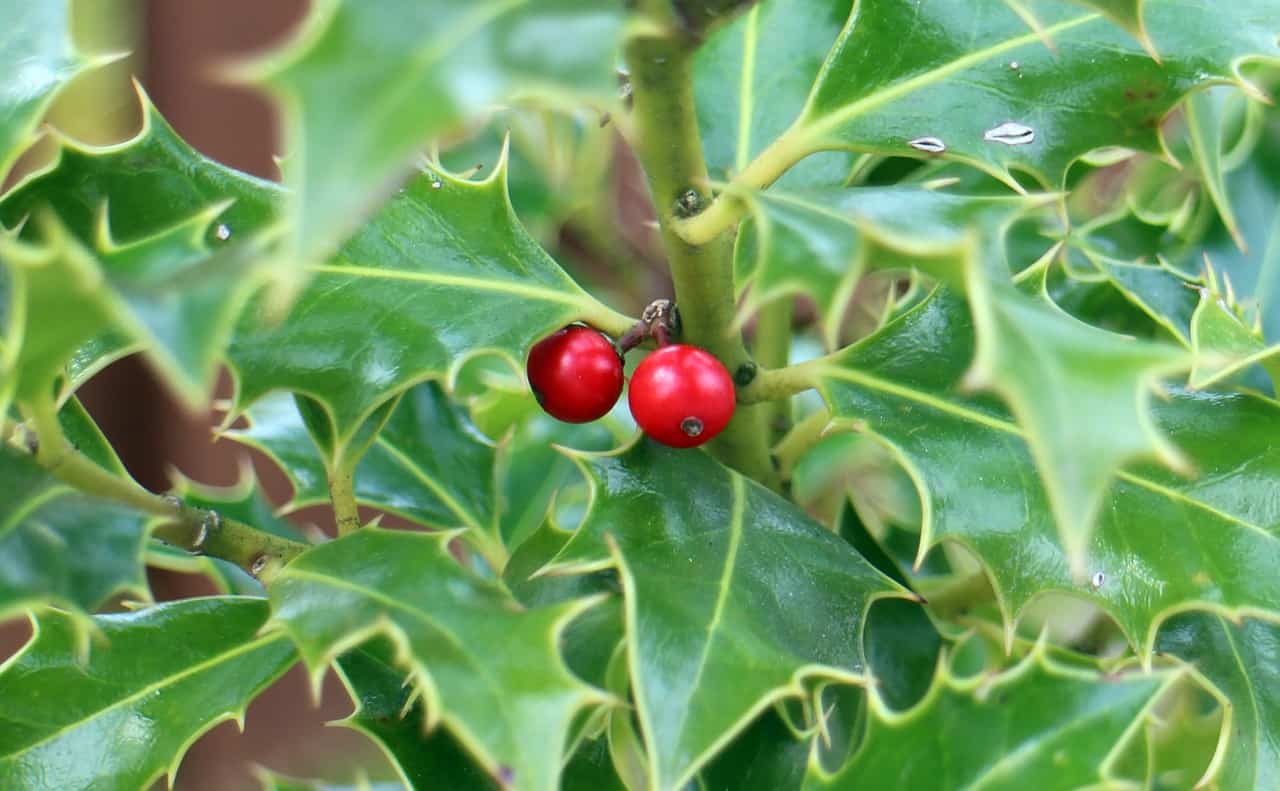
Holly Berry
Holly bushes have red berries and shiney, pointed leaves. It was thought these berries could cause serious symptoms, however, newer reports show only GI symptoms (upset stomach, vomiting, diarrhea) after ingestion of several berries.
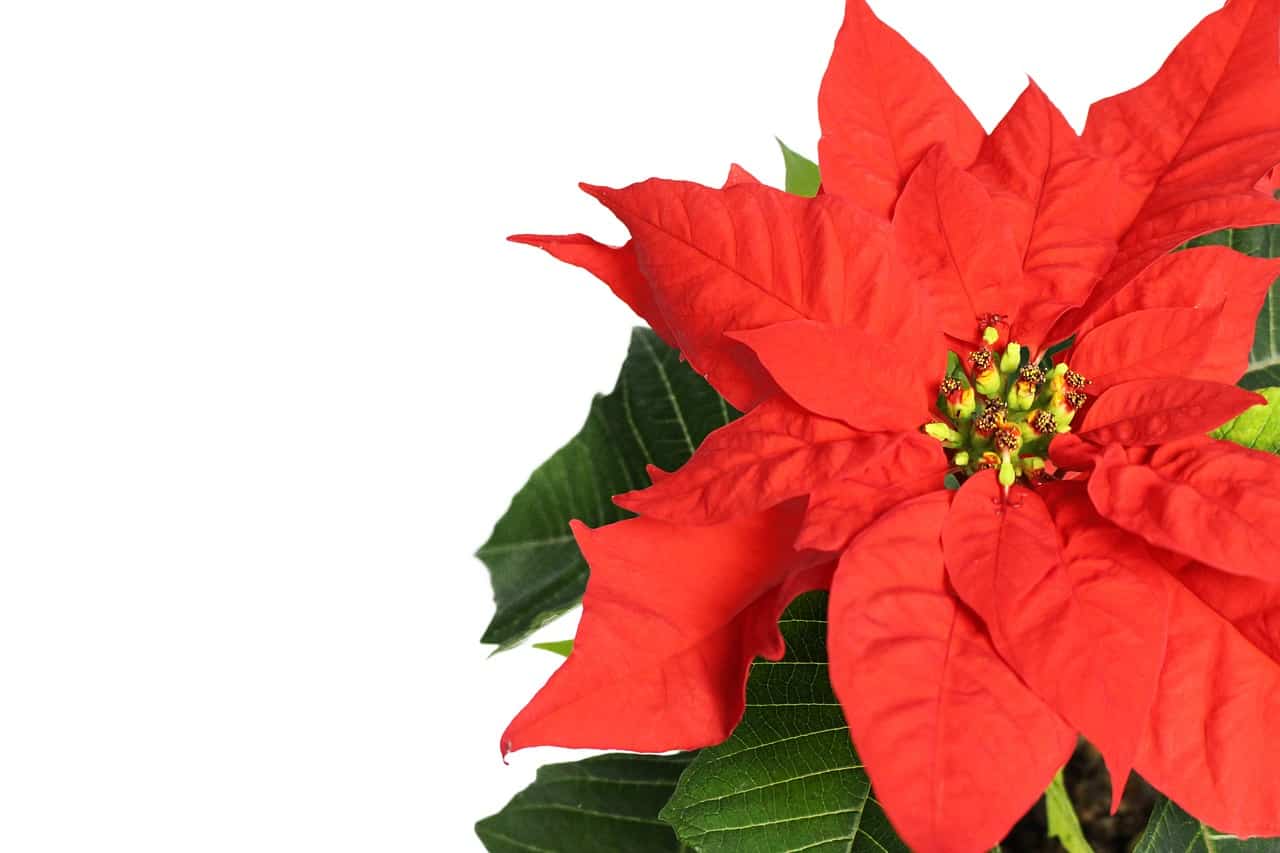
Poinsettias
Poinsettias are plants with broad, soft leaves – usually red in color, but can also be pink or white. Most people assume this plant is toxic, but it is actually non-toxic. Some estimates show a toxic amount would be 500-600 leaves!
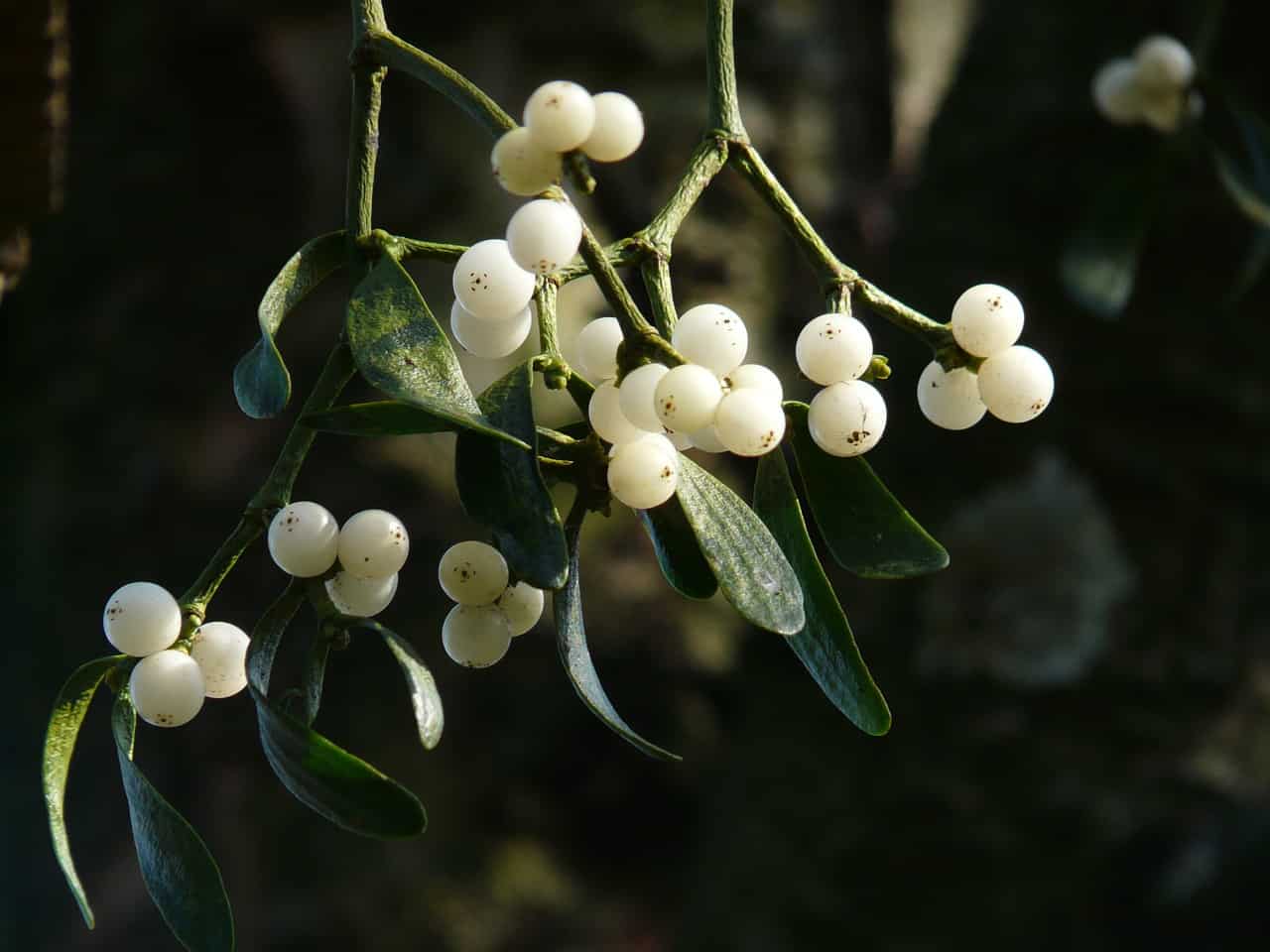
American Mistletoe
American Mistletoe is a member of the Phoradendron group of plants. This name comes from the Greek words for “tree thief” because it is actually a plant that grows on trees; it is not it’s own bush or shrub as some may think. Accidental ingestion of the berries or leaves is only expected to cause GI upset.
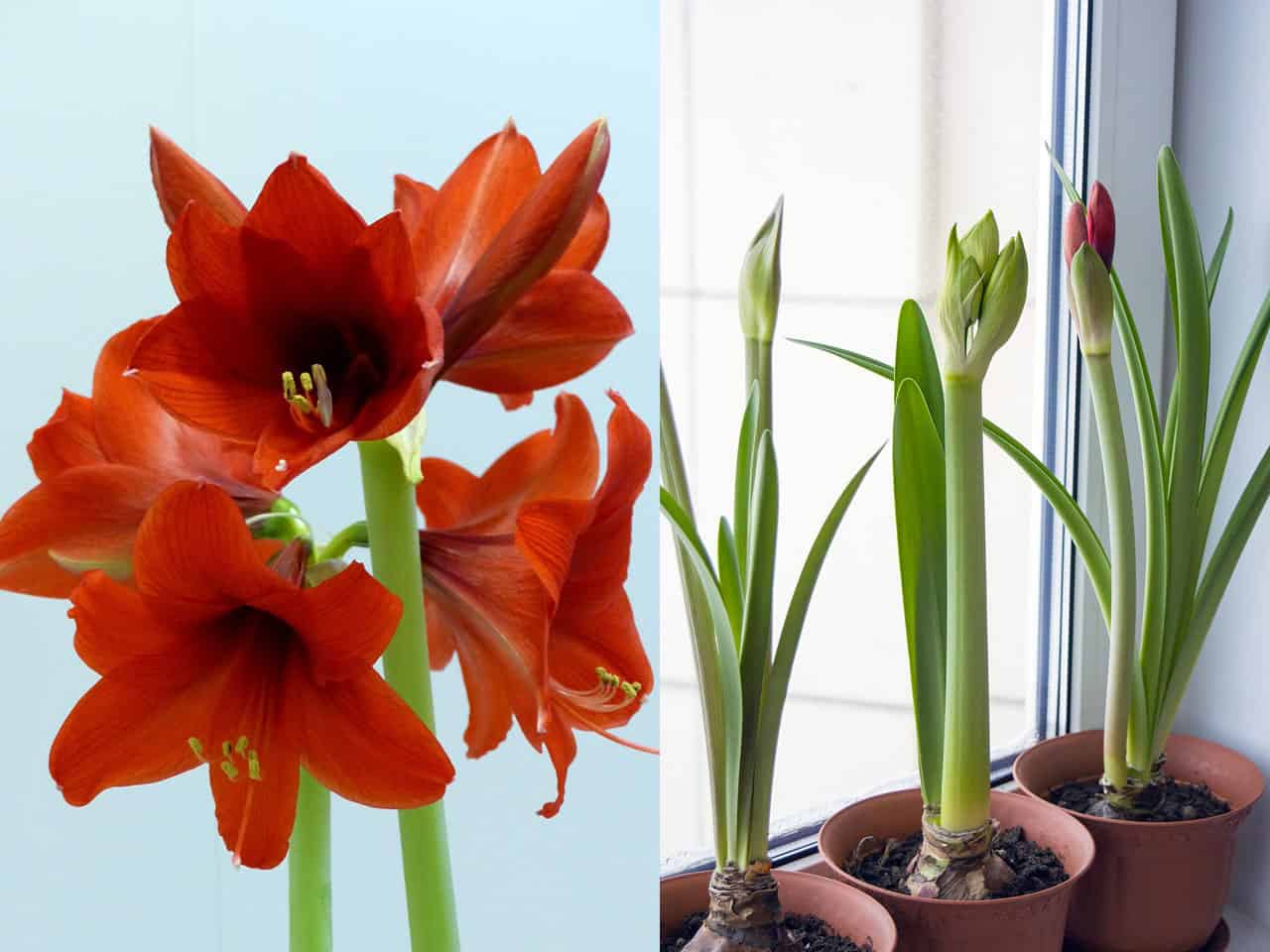
Amaryllis
Amaryllis has a bulb at it’s base that develops lily-like flowers atop a tall green stem just in time for the holidays. Accidental ingestions are not likely to cause symptoms, but the blub has the potential to cause upset stomach.
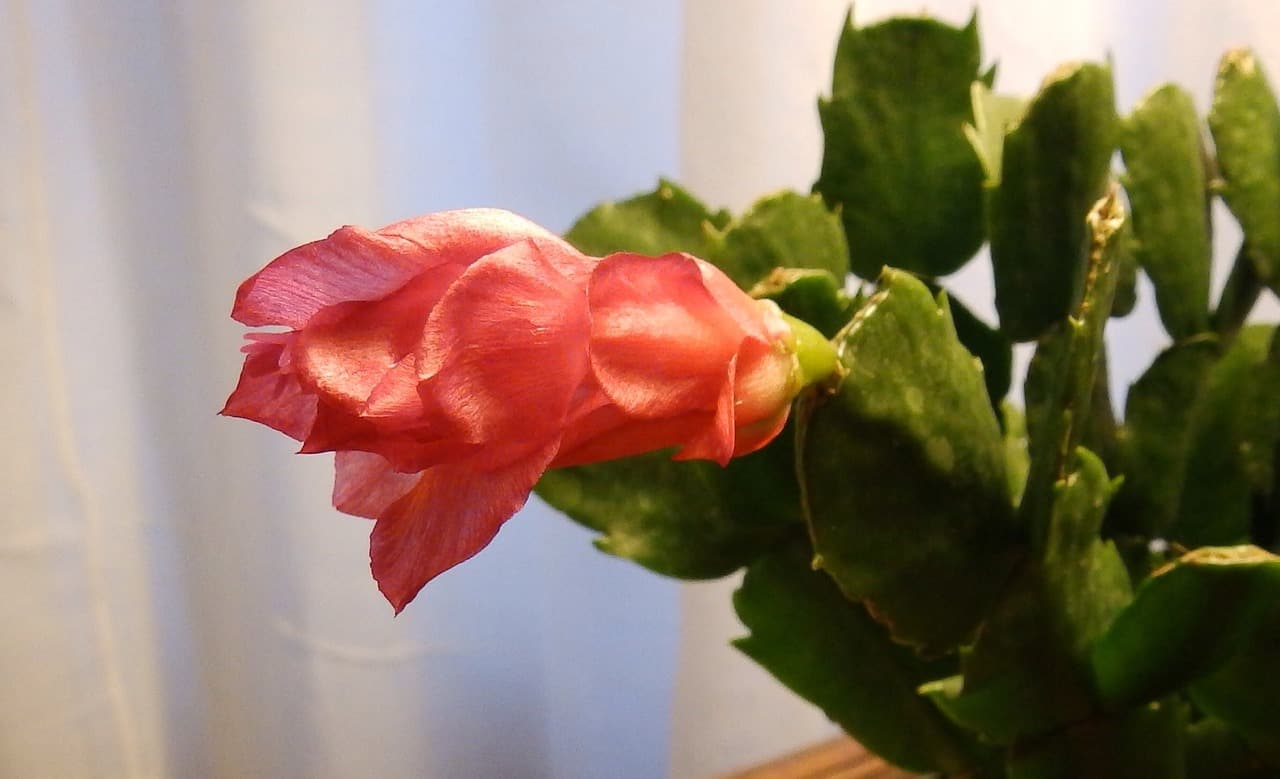
Christmas Cactus
Christmas cactus doesn’t have pointy needles like other cactuses, but it does have colorful blooms once a year. These plants are considered non-toxic so no symptoms are expected after an exposure to this plant.
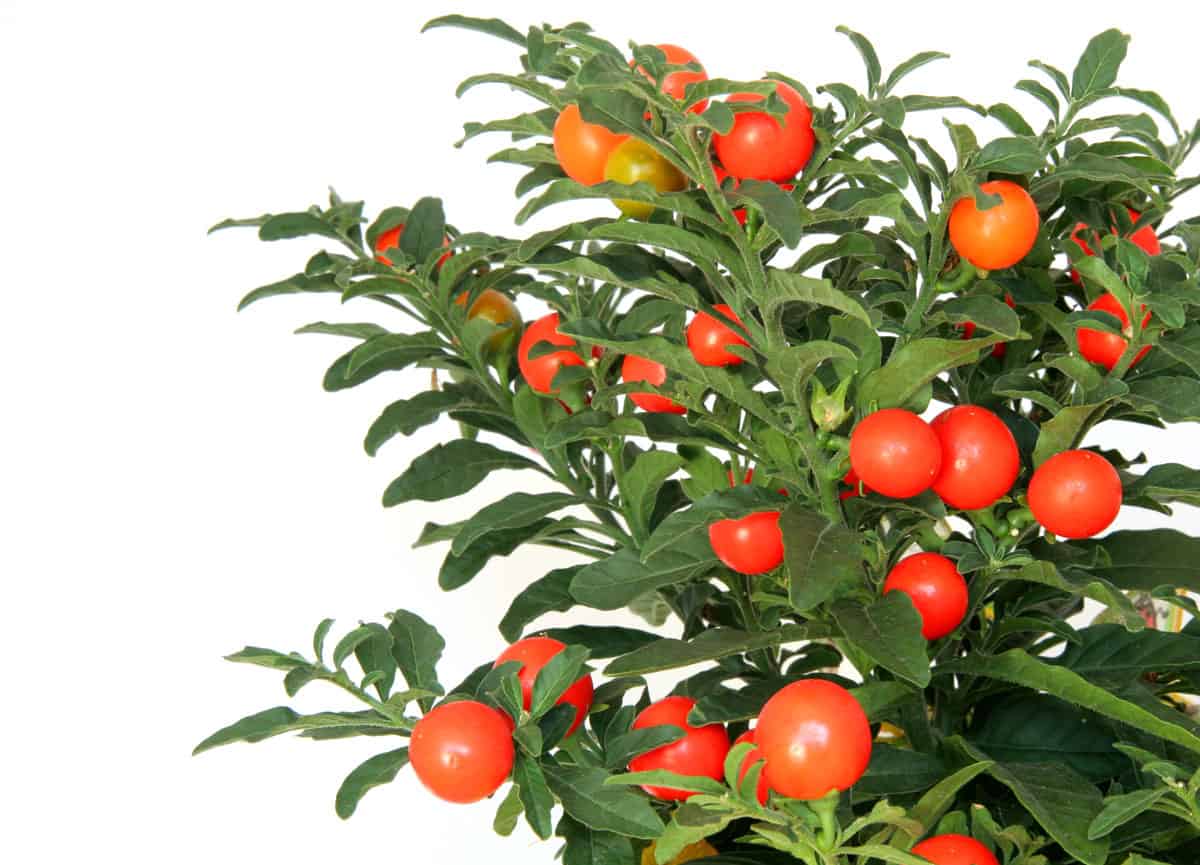
Jerusalem Cherry
Jerusalem cherry has green leaves and red berries that resemble small cherry tomatoes. All parts of the plant contain a chemical called solanine. Solanine is found in many other plants and can cause a bitter taste, upset stomach, nausea, vomiting, diarrhea and more significant symptoms if ingested in large enough amounts. The typical exposure will likely result in only minor symptoms.
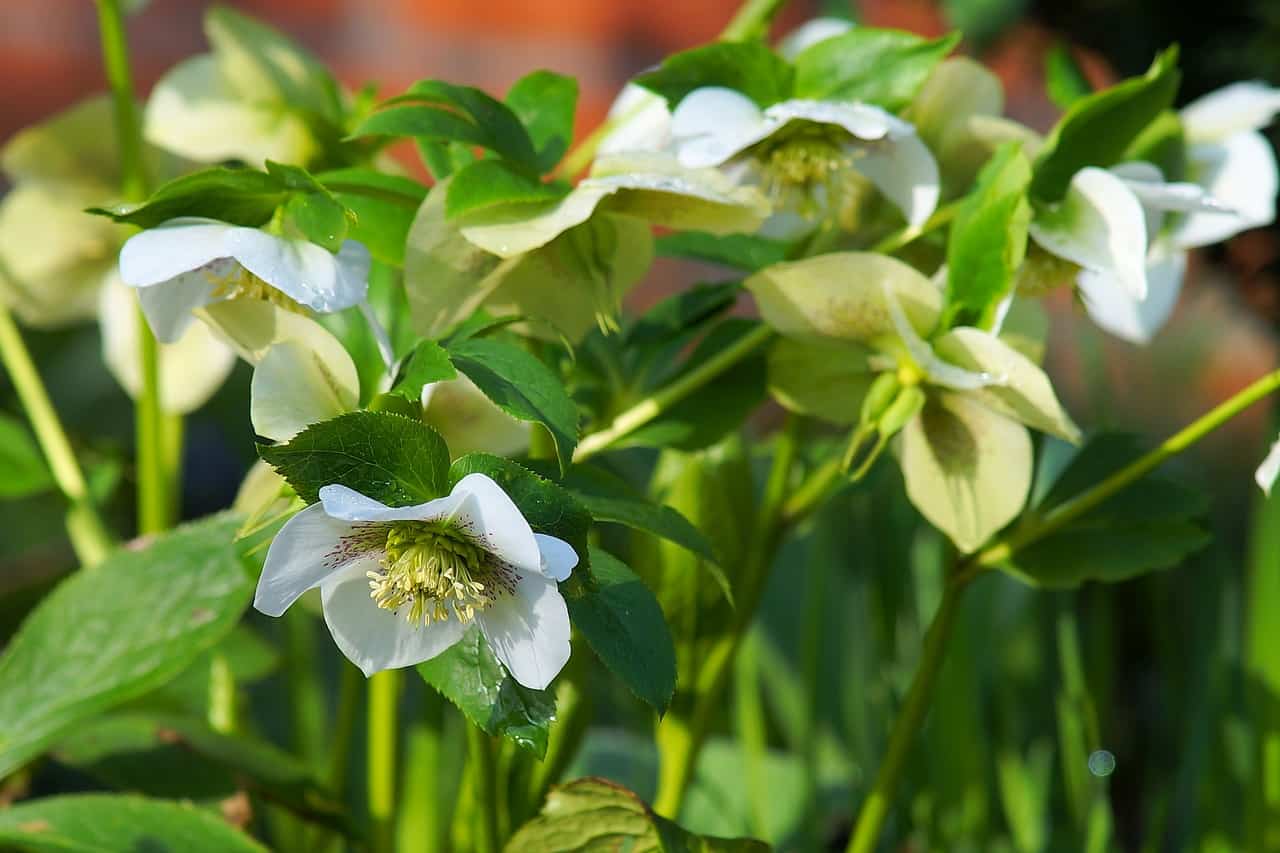
Christmas Rose
Christmas rose plants have green leathery leaves with flowers that are white with a blush pink color. They are more likely to cause symptoms at smaller amounts than the other plants listed here. Ingestion of only a few leaves has the potential to cause GI upset, throat tingling, and drooling. Touching it can cause a rash. Severe symptoms such as confusion, seizures, or difficulty breathing are possible.
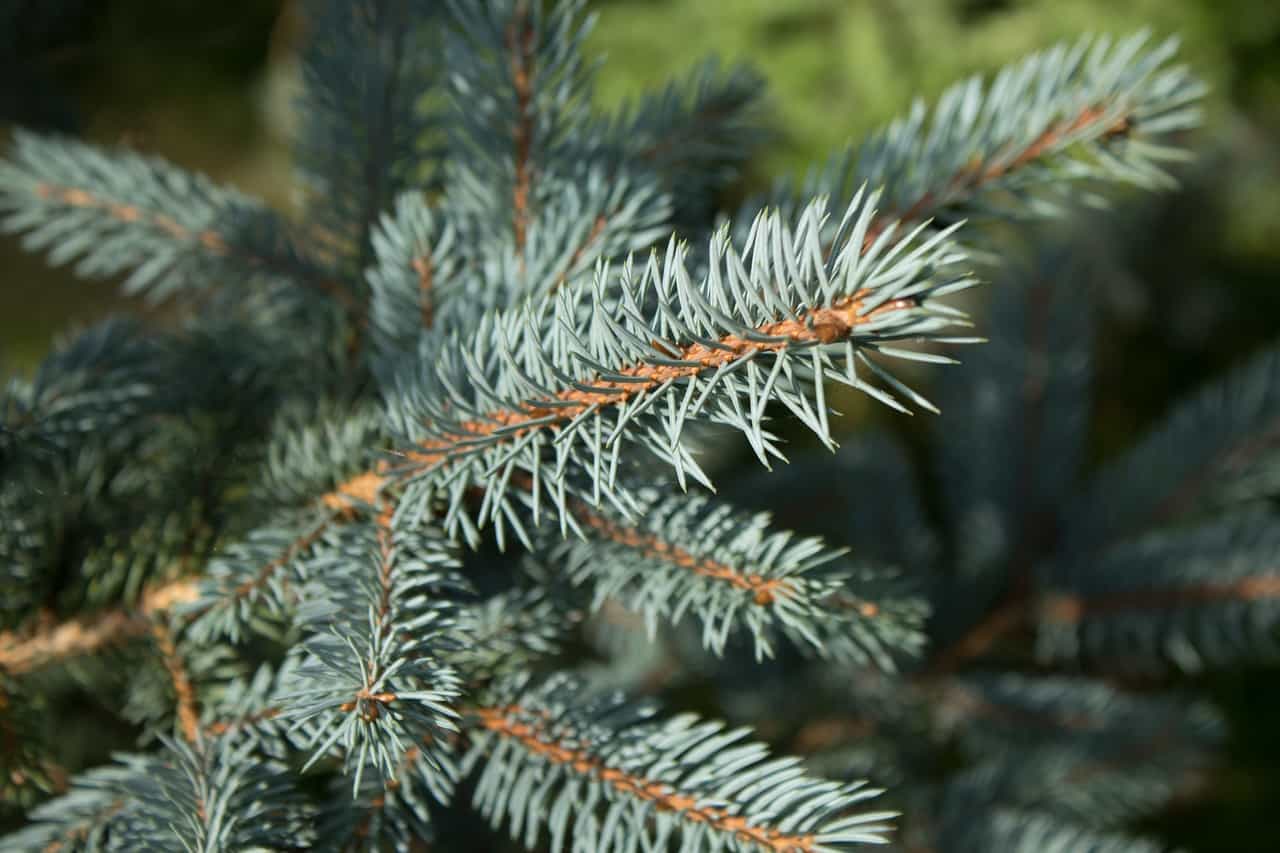
Evergreen Trees
Evergreen trees are used as Christmas trees and the branches are used as natural garland. The pine oil can cause irritation to the skin, so use caution when handling. Some evergreens can be pointy and cause a small puncture wound when grabbed tightly by a child. If swallowed, it is not expected to cause any symptoms besides possible minor injury to the mouth.
If you have questions about winter plants, call the Poison Help line at 1-800-222-1222. Specially trained nurses and pharmacists are available 24/7/365. The service is free and confidential.