
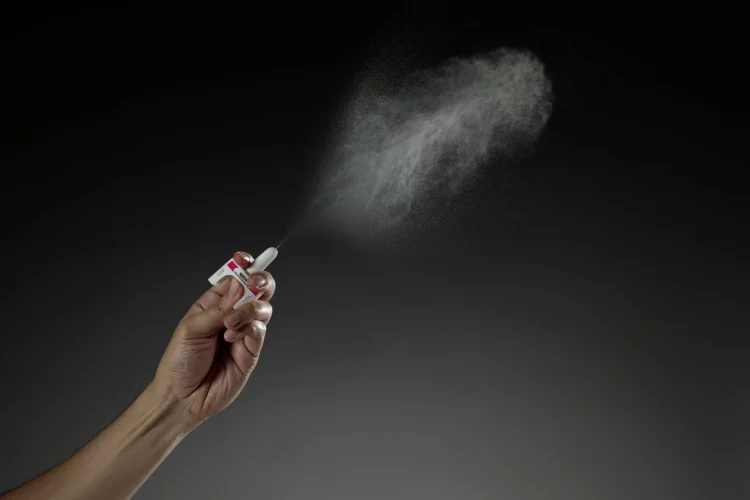
The wide-ranging presence of opioids is a complex issue in the United States. Treating overdoses presents problems on various levels, from gaining access to naloxone— an opioid reversal medication— to being equipped to administer it if necessary. Narcan® Nasal Spray is one of several over-the-counter naloxone nasal sprays that streamlines the steps to getting naloxone into the hands of those who are most at-risk. No prescription, training, or danger of using too much Narcan Nasal Spray makes it revolutionary in the United States’ growing opioid crisis.
What is naloxone?
Naloxone is a medication intended to treat opioid overdoses. It comes in two forms: an intermuscular or intravenous injection and a nasal spray. The name brand for the nasal spray is called Narcan.
Naloxone was developed in the 1960s. The FDA approved it for use in treating overdoses in 1971, but it remained mainly in hospital settings until the 1990s. That was when naloxone distribution and access began growing in response to a worsening opioid crisis.
In 2001, New Mexico became the first state to enact a naloxone access law, meaning family members and friends of those at risk for opioid overdose could obtain a prescription. However, the need for widely available naloxone increased— the number of prescriptions doubled between 2017 and 2018, while only 1 in 70 were actually being filled.
Naloxone has also been known to treat tianeptine overdoses.
What is Narcan?
Narcan is the nasal spray version of naloxone (like Kleenex® is a name brand for tissues). Other brands of this kind of nasal spray exist, including Kloxxado®, Rezenopy®, LifEMS Naloxone (DSC), Rextovy™, and Zimhi®. RiVive® is another naloxone nasal spray you can purchase over-the-counter.
For many years, you could only get injectable naloxone until 2015, when it became available as a prescription nasal spray. In 2023, the FDA approved Narcan as the first naloxone nasal spray for over-the-counter (OTC) use.
Narcan Nasal Spray is available at pharmacies, drugstores, some grocery stores, and online— no prescription is needed. Some cities now require Narcan to be available in establishments that serve alcohol, like in Honolulu.
Nasal spray is the only over-the-counter form of naloxone. To receive a prescription for the injectable version, you need the proper training that goes along with it. Any type of injection— naloxone or otherwise— requires knowledge to administer it safely. Therefore, the advent of an easy-to-use, little-training-necessary type of naloxone made it possible for this lifesaving drug to be distributed widely with fewer barriers to use.
Distributing naloxone throughout the United States has always posed a problem. Although Narcan was made over-the-counter in March 2023, it hit the shelves in September of that year. Transitioning from prescription to non-prescription takes time, and dispersing to rural areas takes even longer.
How does Narcan work?
Think of your brain and its receptors like a puzzle piece: other pieces can fit into it if they’re the right shape. Opioids and naloxone are like two puzzle pieces with the same shape that can fit on the same part of the brain. So, if someone is experiencing an opioid overdose, naloxone can replace the opioids bound to the brain, essentially “booting out” the opioid.
Although it’s a nasal spray, Narcan does not need to be inhaled to work. When sprayed up the nose, the lining of the nasal passage absorbs the naloxone. It begins working within minutes. As respiratory depression is a symptom of opioid use/overdose, this is a critical feature.
Other symptoms of opioid overdose include:
- “Pinpoint” eyes (pupils don’t dilate)
- Won’t/unable to wake up
- Discolored skin
- Slow or stuttered breathing
- Weak heartbeat
Important Considerations When Using Narcan
The most important step when giving someone Narcan is calling 911. This is because Narcan lasts approximately 30-120 minutes, depending on the person. If the person overdosing took a long-lasting or large dose of an opioid, symptoms can return once the Narcan runs its course.
In the same way that Narcan can “boot out” the opioids, the opioids can do the same thing to Narcan given enough time. It doesn’t “cure” someone of opioids in their system. It’s like when someone having an allergic reaction gets an epinephrine (Epi-Pen®) injection: the shot is just supposed to tide them over until they reach emergency medical help.
Additionally, Narcan doesn’t treat overdoses of other drugs, like methamphetamine, cocaine, or alcohol. If you suspect someone is overdosing on one of these, call 911 right away. While Narcan may be used to rule out opioid use, it’s still important to seek medical attention to obtain the proper care.
Sometimes, a person overdosing may require more than one dose of Narcan Nasal Spray. Consider keeping two doses on hand. It comes in 4 mg doses that you spray once into one nostril. It’s not advised to hold onto used Narcan bottles.
Opioids Narcan May Block:
- Fentanyl
- Heroin
- Hydromorphone
- Oxycodone
- Morphine
- Hydrocodone
- Codeine
Narcan Does NOT Reverse Overdoses of:
- Cocaine
- Methamphetamines
- Alcohol
- Xanax, Klonopin, and other benzodiazepines
- Bath salts
What are the uses for Narcan?
While the major use for Narcan is to stop opioid overdoses, it’s also used to identify opioids as a cause for symptoms of overdose, to treat side effects of opioid use like constipation, and to study opioid receptors in the brain.
Can you overdose on Narcan?
No, you cannot overdose on Narcan when using the proper dose. It does not affect people who do not have opioids in their system, meaning you don’t experience a “high.”
When someone overdosing receives the nasal spray, they may immediately experience withdrawal symptoms. If they were taking prescription opioids for pain relief, it may cause any pain to return.
Other withdrawal symptoms may include:
- Vomiting
- Nausea
- Headache
- Itching
- Runny nose
- Shaking
- Irritability
Final Thoughts
Having over-the-counter naloxone like Narcan is an important step to saving the lives of those suffering from opioid overdose, especially for those far away from medical attention.
If you have questions about naloxone, Narcan, opioids, or substance abuse, call the Missouri Poison Center at 1-800-222-1222 to speak with a specially trained nurse or pharmacist. We’re open 24 hours a day, 7 days a week, and every call is confidential.
If you suspect someone is experiencing an overdose of any kind, call 911 immediately.
FAQ
| Question | Answer |
|---|---|
| How long does Narcan Nasal Spray take to start working? | It typically begins reversing the effects of an opioid overdose within 2-3 minutes after administration. A second dose may be administered if there’s no response within a few minutes. Call 911 for further assistance. |
| Can it be used more than once? | Yes, multiple doses of Narcan may be necessary, especially in cases where strong opioids like fentanyl are involved. Narcan may last anywhere between 30-120 minutes, so a person may need repeated doses or further medical intervention to prevent the overdose from recurring. |
| Does Narcan have any side effects? | While it doesn’t cause a “high,” it can trigger sudden withdrawal symptoms in individuals dependent on opioids. This includes nausea, vomiting, agitation, rapid heart rate, and sweating. These symptoms may be uncomfortable but are generally not life-threatening. |
| Can Narcan expire, and is it still effective past its expiration date? | Yes, it has an expiration date of about four years from the date of manufacture. While it may still work past the expiration date, it may have reduced potency. It’s best to replace expired bottles and keep it stored at room temperature, away from extreme heat or cold. |
| Can it be used to treat overdoses of mixed substances (opioids plus other drugs)? | Narcan will only reverse the effects of opioids and not other substances like benzodiazepines, alcohol, or stimulants. In cases of mixed-substance overdoses, it can still be helpful if opioids are a factor, but emergency medical assistance is essential for thorough care. |
| What should I do if I accidentally spray it on myself or someone without an overdose? | Accidental exposure is generally safe and does not cause harm if there are no opioids in the system. The person may not experience any effects since Narcan only affects opioid receptors. |
| Does Narcan work for all opioids? | It is effective for a wide range of opioids, including fentanyl, heroin, and prescription opioids like morphine, oxycodone, and hydrocodone. However, some synthetic opioids might require more doses due to their potency. |
| Can it be administered to someone unconscious but suspected of an overdose? | Yes, Narcan can be administered if you suspect an opioid overdose, even if the person is unconscious. Signs such as slow or stopped breathing, blue or pale skin, and pinpoint pupils are common indicators of an opioid overdose. Always call 911 after administering. |
| Can it be used as a preventive measure for people who are using opioids? | No, Narcan does not prevent overdose and should not be used as a preventive measure. It can only reverse opioid overdoses that have already started. Those who use opioids or are around people who do should keep naloxone on hand as a safety measure. |
| How do I know if someone needs Narcan or other medical assistance? | If someone exhibits signs of opioid overdose (e.g., slow breathing, loss of consciousness, or pinpoint pupils), administering Narcan can be lifesaving. If the overdose is due to other drugs, Narcan will not help, so always call 911 to ensure the person receives the appropriate treatment. |
Referencing content from this page? Please attribute the Missouri Poison Center with either of these links: https://missouripoisoncenter.org/ or
Suggested APA citation:
Hazelbaker, H.J. (2024, December 3). Narcan®, naloxone, and the nasal spray of the decade. Missouri Poison Center. https://missouripoisoncenter.org/narcan/