
Skip to content

Daddy Longlegs

Low Risk

Also known as:

grandaddy longlegs grandfather graybeards harvest spiders harvesters harvestmen Opiliones shepherd spiders

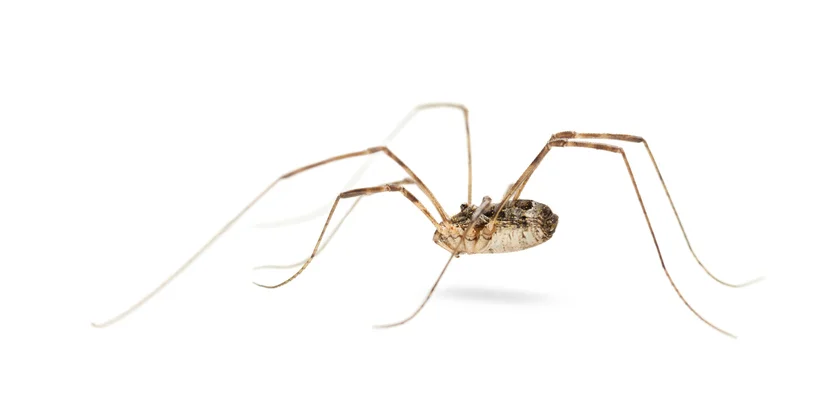
A daddy longlegs or harvestmen.

Possible Symptoms

  • No symptoms expected.

What to Do

  1. First aid is typically not needed; however, if someone has been handling a daddy longlegs it would be best to wash their hands.
  2. Call 1-800-222-1222 for any questions.

Additional Information

Daddy longlegs are known for having exceptionally long, thin legs relative to their body size. Although closely related to scorpions, ticks, and mites, they are often mistaken as spiders. They belong to the Arachnida class (like spiders) but occupy the order called Opiliones.

There are distinct differences between daddy longlegs and spiders. Spiders have eight eyes, and their bodies are divided into two distinct parts, while daddy longlegs have only two eyes and a body fused into one oval-shaped part. They also have no silk glands, which makes them unable to build webs, and they have no fangs or venom glands and, therefore, pose no danger to humans.

Myths

People often wonder if these arachnids pose a danger. There is a myth about daddy longlegs being one of the most poisonous spiders in the world. This is not true. Their mouth is like that of crabs and scorpions. The mouth allows them to hold onto prey while eating, but the mouth is too small and weak to bite and puncture human skin, and they are not spiders. Although the Opiliones lack venom, they can emit an unpleasant odor when disturbed, a defensive measure to protect themselves against predators. Overall, they are harmless to people.

NOTE: Daddy longlegs are often confused with cellar spiders because both have long, spindly legs, but cellar spiders have segmented bodies and can spin webs. Because of the confusion, the cellar spider is sometimes called a daddy longlegs spider.

If you find someone has had an encounter with a daddy longlegs, do not panic. Call the Missouri Poison Center right away at 1-800-222-1222. The poison center is open all day, every day, for poisoning emergencies and questions.

**Note: Don’t forget, every case is different. To make sure you are getting the best information for your individual situation, click below to call or chat. It is fast, free, and confidential.

Take The Missouri Poison Center With You

Emergencies don’t wait for you, so you shouldn’t have to wait to call for help. Get the Missouri Poison Center app with poison information and a link to the Poison Help Line. It is just a click away during the most stressful moments. Our registered nurses and pharmacists are here 24/7/365 days a year to help guide you through poison exposures and overdose emergencies.

Don’t wait. Download now.
Smartphone screen showing the Missouri Poison Center Poison Help app icon alongside other standard apps

Cart
Call Now