
With the rise in popularity of GLP-1s, people are searching for other, more accessible solutions for weight loss. Berberine is a supplement that is being marketed as a “natural” alternative to injectables like Ozempic and Wegovy. But what does berberine actually do, and is it safe to take? What happens if you take too much?
What is berberine?
Berberine is a chemical compound found in several different types of plants, most notably in the Berberis genus. These include barberry, Oregon grape, and Berberis aristata or Indian barberry. It is also present in other plant families, like Goldenseal (Hydrastis canadensis) and Chinese Goldthread (Coptis chinensis).
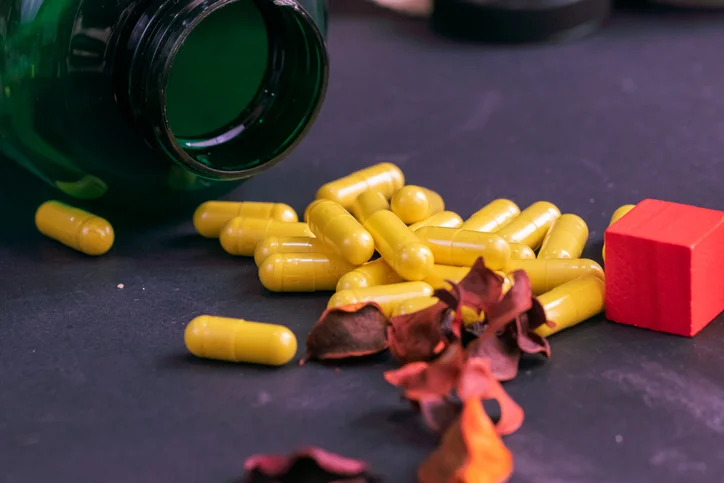
Berberine is extracted from the plant to make dietary supplements. You may purchase berberine in pill or powdered form.
It has grown in popularity recently, earning the name “nature’s Ozempic.” This is tied to berberine’s potential effect as a weight loss aid. It has a few other possible uses that have also gained attention— more on this below.
What does it do?
There are a few emerging effects of berberine as new research and meta-analyses are published. One meta-analysis showed that berberine may have a possible glucose-lowering effect in patients with Type II diabetes. This improvement in insulin sensitivity was coupled with a low risk of hypoglycemia.
Another analysis showed that it could potentially reduce both LDL and HDL cholesterol levels, as well as certain markers of cardiovascular disease. One study found that berberine could improve cholesterol levels just as well as statins could. These are all exciting finds that flag the need for further research to confirm things like dosage, duration, and long-term effects.
Does berberine help with weight loss?
Berberine has gained attention as a potential aid for weight loss, but how strong is the evidence? Let’s unpack this.
Several research reviews suggest that berberine may have modest benefits for weight-related measures, like this one and this one, which found reductions in body mass index (BMI) and waist circumference. Others, however, show more limited effects, such as improvements in waist-to-hip ratio without meaningful changes in overall BMI.
Why the mixed results? Differences in study design likely play a role. Factors like dosage, length of treatment, and participant characteristics can all influence outcomes. Across studies, findings vary quite a bit. Only a small number of analyses report actual reductions in total body weight, and even then, the effect tends to be moderate.
Because of this, researchers are hesitant to draw a strong conclusion between berberine and weight loss. Larger, well-controlled clinical trials are still needed to confirm whether berberine meaningfully supports weight loss.
The name “nature’s Ozempic” is catchy, but a little misleading. Ozempic is part of a medication class called GLP-1s. These work by mimicking the body’s GLP-1 hormone, which increases insulin production and helps regulate blood sugar. This ultimately leads to a reduction in appetite. You can read more about GLP-1s in our helpful blog post here.
Berberine works differently. It activates a protein in the body called AMPK or AMP-activated protein kinase. When activated, AMPK may help:
- Reduce the production of cholesterol and triglycerides (fats)
- Improve energy use
- Encourage the body to burn stored fat
These metabolic effects may partly explain why berberine shows some promise in weight-related outcomes. However, proper dosing and duration remain unconfirmed.
Side Effects
Berberine users have reported a few side effects, including:
- Nausea
- Diarrhea
- Bloating or Gas
- Headaches
Is berberine safe?
Berberine may interact with diabetes medicines, blood pressure medications, blood thinners, and drugs that help regulate heartbeat. It may also interfere with medications that help the body accept an organ after a transplant.
Additionally, berberine is not safe for people who are pregnant or breastfeeding. Berberine may cross to the baby through the placenta or breastmilk and cause a buildup of bilirubin. This may lead to jaundice (yellowing of the skin or eyes) in the baby and other negative effects.
Although some research has shown berberine to act in a similar way to statins, it is important to speak with your healthcare provider before stopping the use of any statins you may be taking.
Like all supplements, berberine is not regulated by the Food and Drug Administration (FDA). This means that the strength and quality of products could vary quite a bit. While it’s exciting to see something like berberine mimic the effects of some medicines, switching from a medicine like a statin to a supplement like berberine without guidance from a trusted medical professional could have negative consequences.
What happens if you take too much berberine?
Most berberine supplements are at a dose of around 500 mg to 1500 mg. It is important to speak with your healthcare provider before using any supplements like berberine. Taking too much berberine may result in symptoms like painful stomach cramps, nausea, dizziness, and/or vomiting. In rare cases, it may cause low blood pressure, irregular heartbeat, or an allergic reaction.
If you suspect that you or someone you know has taken too much berberine, contact the Missouri Poison Center at 1-800-222-1222.
You may also call the Missouri Poison Center for any questions you might have about berberine or any other poison-related topic. We are open 24 hours a day, 7 days a week, to take your calls. It is fast, free, and confidential.
Frequently Asked Questions
For most people, berberine does not appear to be harmful to the kidneys at typical doses, and some research has even explored possible kidney-related benefits. That said, anyone with kidney disease should check with a healthcare provider first, especially if they take other medications or need routine kidney monitoring.
Current evidence does not show that berberine commonly damages the liver, but data are limited and results can vary by dose, product quality, and health status. Because supplements are not regulated like medications, it is still smart to speak with your healthcare provider before using it if you have liver disease or take other drugs.
Berberine may help lower blood sugar, and that is one of the main reasons it has gained attention. However, its glucose-lowering effect can also interact with diabetes medicines, so it should be used cautiously and with medical guidance.
Referencing content from this page? Please attribute the Missouri Poison Center with either of these links:
https://missouripoisoncenter.org/ or https://missouripoisoncenter.org/berberine
Suggested APA citation:
Missouri Poison Center Trending Topics Blog. (2026, June 09). What is Berberine and Should I Be Taking It?. Missouri Poison Center. https://missouripoisoncenter.org/berberine