
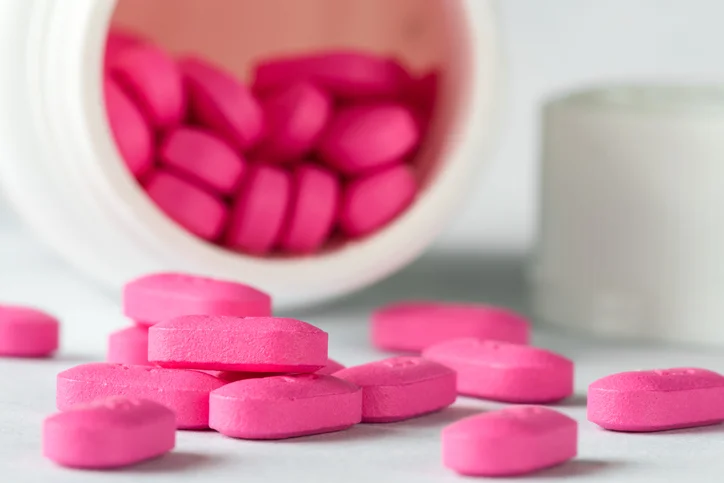
If you have seasonal allergies, chances are you keep a bottle of Benadryl in your cabinet. This over-the-counter medicine, a drug known by medical professionals as diphenhydramine, treats a variety of symptoms, including itching, hives, upper respiratory infection (URI) symptoms, motion sickness, and insomnia. Diphenhydramine is in many cold and flu medications. For more information, check out our best tips for cold and flu season safety. The rising public health concern of diphenhydramine overdoses has been noted, with its prevalence in drug overdose deaths in the U.S.
While Benadryl is helpful for several ailments, it can be extremely harmful if it is misused.
What is Benadryl?
Benadryl is a first-generation antihistamine widely used to lessen the symptoms of allergies, hay fever, and the common cold. Its generic name is diphenhydramine. This medication is available in various forms, including tablets, capsules, liquid, and even injections. Benadryl effectively improves symptoms such as sneezing, runny nose, sore throat from allergies, and watery eyes, making it a go-to remedy for many common ailments.
Uses of Benadryl
Benadryl is a multi-purpose medication that treats a broad spectrum of conditions. It is commonly used to manage allergic reactions, itching, and hives. Additionally, it provides relief from common cold symptoms like sneezing and runny nose. Beyond its use for allergies and colds, Benadryl is also effective in treating motion sickness, nausea, and vomiting. Many adults also turn to Benadryl as a mild sleep aid due to its sedative properties.
It Is Dangerous To Abuse Benadryl: Risk of Overdose
Benadryl can be abused if people use it incorrectly. Teens and young adults may misuse Benadryl to get high since it is so readily available. This is a dangerous practice, especially with the rise of the ‘Benadryl Challenge,’ a viral trend among teenagers involving the misuse of Benadryl to achieve hallucinations and intoxication by consuming excessive amounts of the medication.
Anticholinergic Toxicity and Symptoms
The symptoms can be severe and are even worse if the drug is combined with other substances. Anticholinergic symptoms such as dry mucous membranes, red, flushed skin, agitation, elevated heart rate and difficulty urinating can also occur.
It is also possible to overdose on Benadryl, causing dangerous toxicity to the body. Anticholinergic toxicity can present with various symptoms that can even be life-threatening.
Intentional Overdose
Over the past decade, there have been alarming spikes in Benadryl-related suicide gestures reported to the Missouri Poison Center. If you or someone you know is depressed or despondent, be sure to reach out for help. The significance of drug overdose and its impact on public health cannot be overstated.
What happens if you take too much Benadryl?
A Benadryl overdose may result in extreme drowsiness, nausea, vomiting, unsteadiness, dry mouth, increased heart rate, blurred vision, and confusion. Severe symptoms such as hallucinations, seizures, coma and death can also occur. Severe diphenhydramine overdose can lead to potential cardiac symptoms. The rising trend of drug overdose deaths due to diphenhydramine is a pressing public health concern.
Safe Medication Storage and Use
To prevent accidental ingestion and potential overdose, it is crucial to store Benadryl and other medications safely. Here are some essential tips for safe medication storage and use:
- Keep medications out of reach of children and pets.
- Use a secure and locked cabinet or storage container for medications.
- Dispose of expired or unused medications properly.
- Always read the label before taking any medication.
- Follow the recommended dosage and never exceed the advised amount.
- Be cautious of combination products that may contain diphenhydramine.
By following these guidelines, you can help ensure the safe use of Benadryl and reduce the risk of accidental diphenhydramine overdose.
Be Aware of Combination Products
Many over-the-counter (OTC) and prescription medications contain diphenhydramine, either alone or in combination with other drugs such as pain relievers, fever reducers, and decongestants. When using Benadryl, it is essential to read the label carefully before taking any other OTC medicine. Inform your healthcare provider about all the medications you are currently taking to avoid the risk of diphenhydramine overdose. Some commonly available diphenhydramine-containing products include:
- Benadryl Allergy Plus Congestion
- Benadryl Allergy Plus Sinus
- Benadryl Allergy Plus Cold
- Tylenol Cold and Allergy
- Advil Cold and Sinus
By being aware of these combination products, you can prevent accidental antihistamine overdose and ensure the safe use of diphenhydramine.
Call Missouri Poison Control Center If You or Someone You Love Has Misused Benadryl
If you or someone you know has taken too much of this drug, or if you have questions about safe Benadryl usage, call Missouri Poison Center at 1-800-222-1222. Our specially trained nurses and pharmacists can give you potentially life-saving information. The local poison control center is a critical resource for managing overdoses and ensuring proper treatment.
Frequently Asked Questions about Benadryl (Diphenhydramine)
| Question | Answer |
|---|---|
| How should I store Benadryl and other medications safely? | Store Benadryl and other medications in a locked or secure location that is out of reach of children and pets. Follow the storage instructions on the medication’s label and keep medications in their original containers to avoid confusion. Dispose of expired or unused medications properly, and ensure that combination medications, which may contain Benadryl, are used cautiously. |
| How much Benadryl is fatal for adults? | A fatal dose of Benadryl can vary depending on individual factors such as weight and health conditions. Lower amounts can still cause dangerous symptoms, so it’s critical to never exceed the recommended dosage. |
| Can long-term use of Benadryl cause problems? | Prolonged use of Benadryl may lead to cognitive impairment, memory problems, and an increased risk of dementia. Chronic use may also cause dependence and worsen sleep quality over time. |
| How can I prevent accidental Benadryl overdose? | To prevent accidental overdose, always follow dosage instructions and avoid using multiple medications containing diphenhydramine at the same time. Keep medications out of reach of children, and be cautious when combining Benadryl with other drugs. |
| Can Benadryl be mixed with alcohol? | No, mixing Benadryl with alcohol is dangerous. Both substances have sedative effects that can lead to extreme drowsiness, impaired coordination, difficulty breathing, and potentially life-threatening slowed or shallow breathing. |
| What are the symptoms of a Benadryl overdose? | Symptoms include extreme drowsiness, confusion, agitation, blurred vision, dry mouth, increased heart rate, hallucinations, seizures, coma, or death. |
| Is it safe to use Benadryl as a sleep aid? | While often used as a sleep aid due to its sedative effects, regular use is not recommended. It can impair cognitive function and lead to dependence. Consult a healthcare provider for safer solutions for insomnia. |
| What should I do if I suspect a Benadryl overdose? | Contact your local poison control center at 1-800-222-1222. Seek emergency medical attention immediately if they have more severe symptoms. Prompt medical intervention is critical and treatment may be necessary. |
| What is the point of the online Benadryl Challenge? | The “Benadryl Challenge” is a dangerous social media trend where people take large doses of Benadryl recreationally to experience hallucinations, including visions of a shadowy figure often called the “Hat Man.” While “seeing the hat man” has become a popular internet joke, this trend is extremely risky and can lead to severe side effects like seizures, heart problems, and even death. Medical professionals strongly warn against participating in this challenge due to the serious physical and psychological harm it can cause. |