
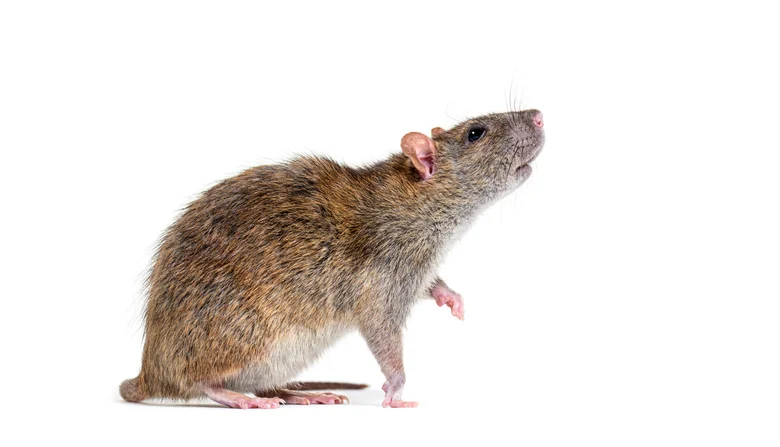
Rodents are moving inside for the winter, which means trying to prevent or manage infestations. Although it may seem like purchasing rodenticides will be the fastest way to solve the problem, there are banned rodenticides circulating on the internet that may put you, your family, or your neighborhood at risk. Purchasing ready-to-use bait stations from retail stores is the best option, but there are other strategies you should consider first before pulling out the rat poison.
What is a rodenticide?
A rodenticide is a type of chemical compound that is meant to kill rodents such as rats, mice, squirrels, chipmunks, gophers, and others. These chemicals can be toxic to people and pets as they target mammals (who have similar bodily systems and are therefore subject to similar poisons).
You can buy them as ready-to-use bait stations for home use. The baits are a block or paste set inside a type of EPA-approved case that allows rodents in, but deters pets and children. Rodenticides in pellet form, as well as loose baits, are no longer allowed for consumer use. Regardless, it is still possible to unknowingly purchase these types online. More on this below.
Types of Rodenticides
There are a few types of rodenticides, but the main categories are anticoagulants and non-anticoagulants, which include neurotoxins and toxic doses of vitamins.
It typically takes a few hours to a few days for rodenticides to kill rats. On the contrary, accidental small ingestions by humans are not likely to cause harm. .
Anticoagulants
The most common type of rodenticide is an anticoagulant. An anticoagulant thins the blood and prevents it from clotting. For blood to clot quickly, it must have a number of clotting factors which are produced by the liver. A toxic amount of an anticoagulant rodenticide causes internal bleeding because it reduces these clotting factors in the blood. However, some rats have developed a resistance to these types of rodenticides.
There are first-generation and second-generation anticoagulants. The first-generation are legal for home use; the second-generation have restricted use and are not to be sold in consumer stores such as grocery stores, hardware stores, club stores, and similar retail outlets. The approved anticoagulants for home use include warfarin, chlorophacinone, and diphacinone.
Neurotoxins
Neurotoxins stop the nerve cells from creating energy for the body. This leads to body tremors, weakness, paralysis, coma, and death.
Strychnine and bromethalin are both neurotoxins, but bromethalin is the less toxic of the two.
Strychnine is highly regulated and may only be used underground and by certified professionals. It causes muscle spasms in animals that eventually wear out the muscles, especially in the diaphragm, which stops breathing.
Bromethalin is a popular type of neurotoxin used in consumer rodenticides, as a single feeding may be lethal to a rodent. It causes the nerve cells to stop producing energy for the body. It may cause severe, permanent damage to pets if they are exposed to a high enough dose (either by eating a rodenticide or a poisoned rat). Therefore, proper use is critical to prevent accidental poisoning. There is a bit of a lag between exposure and fatality if bromethalin rodenticide is ingested. If you suspect a person or pet ate this rodenticide, it’s critical to seek help right away.
Toxic Dose of Vitamin D3
Toxic doses of vitamins are just that; they deliver a vitamin to the target animal in a high enough dose to be lethal. Cholecalciferol, or Vitamin D3, typically aids in the body’s maintenance of calcium. Overwhelming the system with it leaves too much calcium in the blood, which may be fatal to rodents. Unlike bromethalin, rodents typically must be exposed to this high vitamin dose multiple times before they die.
EPA Exempt or Minimum Risk
There are types of rodenticides on the market that are exempt from EPA regulation (considered “minimum risk”). These conform to a series of marketing and ingredient conditions. The active ingredients may only be the ones listed under Table 1 here. Typically, these act to dehydrate a rodent.
Although they are called “minimum risk,” they may still be harmful to people and pets. Following the directions on the package is very important to keep yourself and your family safe.
Why You Should Not Purchase Second-Generation Anticoagulants for Your Home
The EPA has banned second-generation anticoagulants (brodifacoum, bromadiolone, difenacoum, and difethialone) from being sold to consumers (home use). However, agricultural and pest control professionals may still purchase and use them.
Rodenticides with these highly toxic chemicals are available online— marketed for their legal audience— but home users are still able to purchase them accidentally.
Second-generation anticoagulants have a long half-life, which means they stay in the body for a while. They are toxic enough to kill a rodent after one feeding, but rodents don’t feed that way: they return to a source of food over and over. It takes a few hours to a few days for the poison to kick in. During that time, a rodent may have consumed enough of the poison to not only kill itself, but deliver a fatal dose to a dog, cat, or the local wildlife (like your neighborhood owls, raccoons, etc.).
Even after a rodent dies, the poison in its body continues to be poisonous. If your dog or cat eats a poisoned rodent— no matter if it’s dead or dying— they may be poisoned. In a way, second-generation anticoagulants may be unnecessarily risky.
Is rodenticide toxic to dogs and humans?
Yes, rodenticides are toxic to dogs, cats, and humans. Here is why:
Pesticides that target specific organisms will affect things that are very different from them in different ways. For example, a small amount of nicotine is effective at killing most insects, but the same amount may be consumed by an adult human without being lethal (it’s different for children— read our blog on nicotine exposure in kids here).
Rodents are mammals, and so are we. Because of this, the poisons that target rodents are also capable of hurting people and other mammals, like dogs and cats. This extends to other wildlife as well, such as raccoons, opossums, and coyotes.
Although they are not mammals, birds may also be affected by rodenticides to varying degrees. As there are quite a number of non-target animals that may be accidentally poisoned by rodenticides, it’s important to follow the instructions on the rodenticide label you purchase. It is illegal to use rodenticides in a way other than as instructed on the package.
Can rat poison be fatal to a human being?
It can be, but it depends on what kind of rat poison the person was exposed to, as well as the dose. Some rodenticides are more toxic than others. First-generation anticoagulants are less toxic than second-generation ones. The current rodenticide anticoagulants approved for the consumer market are all first-generation.
Some rodenticides, like bromethalin, are toxic to rodents with only one exposure. These are more toxic to people. Any exposure should be taken seriously, contact a poison center or healthcare provider.
Strychnine, on the other hand, is highly toxic. There is a reason only professionals are allowed to use it. If you find you are able to purchase it online, do not.
Technically, a consumer should not be able to purchase more than one pound of rodenticides sold alongside a bait station. However, it is possible to purchase far more rodenticides than necessary, significantly increasing the risk of accidental exposure. To reduce that risk, only use secure bait stations and dispose of unused rodenticides properly.
Humans need to take a much larger dose than a rat to be fatal, but even a small exposure may be harmful. The most common exposures happen in small children.
What are rodenticide poisoning symptoms in humans?
Symptoms of accidental rodenticide poisoning in humans will look different depending on the type. Rodenticides take a few hours to a few days to begin showing symptoms.
Any exposure merits a call to the Missouri Poison Center, but if someone is unconscious, not breathing, or having a seizure, call 911 right away.
Anticoagulant exposure is the most common. While the main symptom is internal bleeding, that’s not usually an easy thing to see just from looking at someone. Other, more noticeable symptoms include:
- Bleeding from the nose or mouth
- Uncontrolled bleeding from a cut
- Blood in urine/stool
- Extreme tiredness
- Bruising easily
- Weakness
- Nausea or vomiting
Excessive exposure to bromethalin in humans can result in delayed symptoms such as headache, drowsiness and confusion. Vitamin D3 rodenticide exposure results in severe gastrointestinal symptoms like vomiting, diarrhea, and abdominal cramping.
Symptoms of strychnine exposure include muscle pain or stiffness, agitation, muscle spasms, difficulty breathing, and convulsions.
Can I get rid of rats without using rodenticide?
Yes. Experts recommend rodenticides as a last resort, and there are several strategies you can try before reaching that point. If it comes down to using a rodenticide, always begin with the lowest toxicity possible. There is no reason to purchase large buckets of rodenticides online for your home.
Rodents are quite intelligent and learn from their mistakes. Getting rid of them requires using multiple strategies and paying attention to what works. Here are a few tips for managing rodents in the home:
- Rodents are attracted to cluttered areas as they have more places to hide. Organize both indoor and outdoor spaces.
- Rodents need not only a source of food, but a source of water. Remove dog bowls when not in use, clean up spills, and potentially empty bird baths.
- Store all unrefrigerated food for people and pets in containers that are difficult to chew through. Metal tins, glass, and hard plastic works best.
- Keep all food items that are held in soft materials like plastic bags or cardboard off the floor. Store them in places that would be difficult for rodents to enter, like a sealed cabinet or metal storage bin.
- Patch up any holes or cracks in the wall large enough for a rodent to squeeze through. Mice can squeeze through a hole as small as a dime— rats, a quarter.
- Keep rodents from squeezing under your front or back door by using weather stripping. Choose a hardy material that’s resistant to chewing.
- Opt for rat traps first. Rodents are suspicious of new objects; it may take a few days for rodents to get past their “trap shyness.”
How do I use rodenticide?
If using rodenticides, here are a few tips for use and to keep your family safe from exposure:
- Follow the package directions exactly. They are there for a reason, and it’s the law.
- Check the active ingredients. If it has brodifacoum, bromadiolone, difenacoum, and difethialone, then it is not safe for home use. Do not purchase it. These chemicals are for large infestations on farms and for pest control professionals.
- Purchase a secured bait station. Here’s why: Even without pets or children to worry about, rodents will want to take loose bait with them to hoard it, potentially tracking bits of the poison around your home. This may expose you to the rodenticide. The risk is reduced when the baits are hard to extract from a bait station.
- Pets can poison themselves if they eat a poisoned rodent. Remove dead rodents promptly while wearing gloves. Monitor pets closely while using rodenticides.
- Once there are no more signs of rodents in the home, remove the rodenticides. Leaving them out unnecessarily increases the chances of accidental exposure.
- If you know there are rodents in your kitchen, they may track the poison onto surfaces where food is prepared. Thoroughly clean all surfaces during and after rodenticide use.
- Wash your hands thoroughly with soap and water if you accidentally touch any bait.
- Properly dispose of unused rodenticides by contacting a hazardous waste disposal site in your area. Never throw them in the normal trash, flush them, or pour them down the drain.
Final Thoughts
Dealing with rodents is a challenge: On one hand, they carry diseases, may destroy belongings, and can pose a health risk to you or your family. On the other hand, some rodenticides can be quite toxic, posing a similar (if not greater) risk. Multiple strategies, safe rodenticide use, and proper disposal are all great ways to prevent accidental exposures.
If you have questions about rodenticides, call the Missouri Poison Center at 1-800-222-1222. We’re open all day, every day to answer your poison-related questions.
If you suspect someone has been exposed to rodenticides, don’t hesitate to call.
Frequently Asked Questions
Yes. Most rodenticides have a shelf-life, and depending on the formulation, active ingredients can degrade over time, especially if stored in humidity or temperature extremes. Expired products may not work as effectively on rodents, which can lead people to overapply them. Always check the “use by” date and store per the package directions.
It depends on how those spaces are used. If pets, wildlife, or children have access (even occasionally), those areas should be treated with the same precautions you’d use inside the home. Garages and sheds often have gaps, spilled bird seed, pet food, etc., which can attract rodents. Secured bait stations should still be used even in detached structures. Never use loose bait around the home.
No. Mixing types (for example, anticoagulant + bromethalin) doesn’t kill rodents faster, but it does dramatically increase the risk of accidental poisoning for pets, children, and wildlife. Different rodenticides work through different toxic mechanisms; combining them makes treatment advice/monitoring more complicated.
Yes. Extreme cold or heat can change rodent feeding patterns. In colder weather, rodents are more likely to seek indoor shelter and consistent food sources, which can make bait stations more attractive. However, that increases the odds of pets interacting with rodents. Outdoors, rain or moisture can degrade baits quickly and make them ineffective if bait stations aren’t fully weather-resistant.
No. Keeping unused rodenticides around a home increases the risk of accidental exposure, especially because many poisoning incidents happen when products are found, not while actively in use. Rodenticides should be purchased only when needed, and any leftover product should be disposed of properly rather than stored long-term.
Referencing content from this page? Please attribute the Missouri Poison Center with either of these links:
https://missouripoisoncenter.org/ or https://missouripoisoncenter.org/rodenticides/
Suggested APA citation:
Missouri Poison Center Trending Topics Blog. (2025, November 19). Are rodenticides actually dangerous? Missouri Poison Center. https://missouripoisoncenter.org/rodenticides/