Skip to content

Sodium Benzoate

Low Risk

Also known as:

benzoate of soda sodium salt of benzoic acid

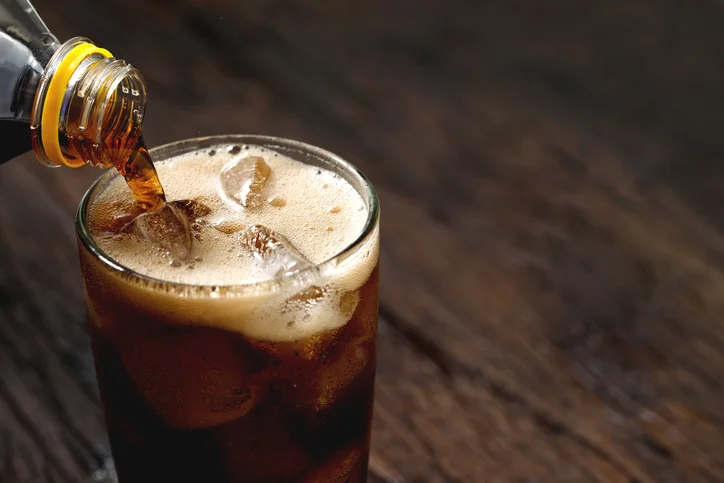
A glass of bubbly soda.

Possible Symptoms

  • No symptoms are expected if eaten as a food preservative.
  • When taken as a medication, it may cause nausea, vomiting, diarrhea, and abdominal pain.

What to Do

  1. Wipe or rinse out mouth. 
  2. Give a serving size of water to drink.
  3. Wash any exposed skin using a soapy lather and warm water.
  4. Call 1-800-222-1222 for additional instructions.

Additional Information

Quick Facts About Sodium Benzoate

Sodium benzoate is an additive that reduces spoilage and prolongs the shelf life of some foods and cosmetics. It is approved for use in food and cosmetics internationally and is generally recognized as safe. You may find sodium benzoate in carbonated drinks, pickles, mayonnaise, jams and jellies, lemon juice, and more.  

Sodium benzoate does not occur naturally. It is created by combining sodium hydroxide with benzoic acid. Benzoic acid is a natural preservative found in some plants such as tomatoes, berries, and apples. Combining benzoic acid with sodium hydroxide allows it to dissolve more easily in foods and cosmetics. 

When consumed as a food or drink preservative, sodium benzoate is not known to cause side effects. It leaves the body through urine in about 24 hours. As with all foods and preservatives, it is possible to have an allergic reaction to sodium benzoate. If you suspect you have an allergy to sodium benzoate, consult your healthcare provider for evaluation.

Is sodium benzoate bad for you?

Some concern has been raised about sodium benzoate because it may form benzene when combined with vitamin C. Benzene is a possible cancer-causing substance that may be present in smoke, car exhaust, and gasoline. In the early 2000s, a Center for Food Safety and Applied Nutrition (CFSAN) survey evaluated benzene levels in beverages. 10 of the 200 beverage samples had benzene levels above the EPA limit of 5 ppb. All beverages with elevated benzene also contained vitamin C and have since been reformulated to decrease or remove benzene.

Sodium benzoate is also sometimes used as medicine. A combination of sodium benzoate and sodium phenylacetate can treat high ammonia levels in patients with urea cycle disorders: a condition that affects the body’s ability to process protein waste. This medication is given through a vein at much higher doses than would be found in food. It may cause nausea, vomiting, diarrhea, and abdominal pain as side effects. Rare but serious side effects, such as low potassium and acidosis, can occur.

If you find someone has eaten a small amount of sodium benzoate, do not panic. Wipe out the mouth with a soft, wet cloth and give them some water to drink. Call the Missouri Poison Center right away at 1-800-222-1222. The poison center is open all day, every day, for poisoning emergencies and questions.

**Note: Don’t forget, every case is different. To make sure you are getting the best information for your individual situation, click below to call or chat. It is fast, free, and confidential.

Take The Missouri Poison Center With You

Emergencies don’t wait for you, so you shouldn’t have to wait to call for help. Get the Missouri Poison Center app with poison information and a link to the Poison Help Line. It is just a click away during the most stressful moments. Our registered nurses and pharmacists are here 24/7/365 days a year to help guide you through poison exposures and overdose emergencies.

Don’t wait. Download now.
Smartphone screen showing the Missouri Poison Center Poison Help app icon alongside other standard apps

Cart
Call Now