
Skip to content

Pine Needles

Low Risk

Also known as:

Cedar Tree Christmas Tree Cypress Tree Douglas Fir English Yew Evergreen Needles Pine Leaf Pine Tree Pinus species Ponderosa Pine Spruce Tree Yew Tree

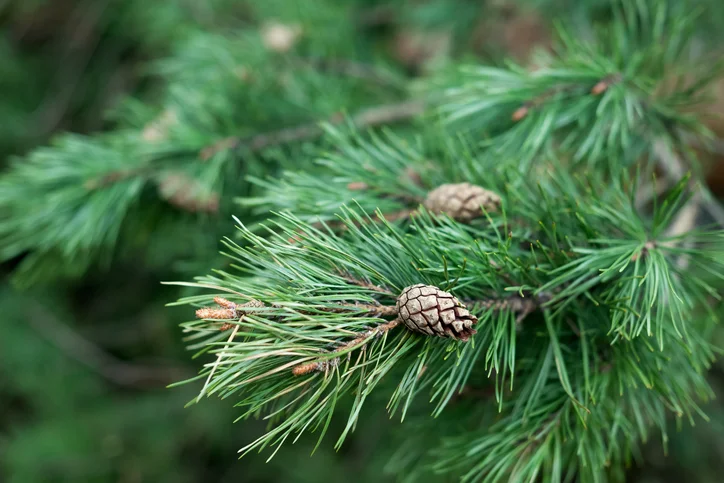
A closeup of a pine tree branch. There are small pine cones growing on it, surrounded by green needles.

Possible Symptoms

  • Choking hazard
  • Stomach pain, nausea, vomiting
  • Abdominal cramping, diarrhea

What to Do

  1. Wipe or rinse out mouth.
  2. Give a serving size of water to drink.
  3. Wash any exposed skin using a generous soapy lather and warm water.
  4. Call 1-800-222-1222 for additional instructions.

Important

Distinguish yew needles from pine needles! Yew ingestions may cause serious poisoning, while pine ingestions are low risk of harm. Please refer to the yew section at the end of this article.

Additional Information

Pine needles and other evergreens make beautiful winter décor and are often brought inside homes as a Christmas tree. While the aromatic scent and bright green foliage may bring holiday cheer, pine leaves can be a danger to young children and pets if consumed.

Many conifer species, including firs, spruce, and pine, are low risk if swallowed. Although some use pine needles in food or tea, intentional eating is not recommended.

Pine needles are sharp, and eating them could cause minor physical injury to the mouth or stomach. The needles could also become lodged in the throat and cause choking. Some species of pine and other evergreens, such as cedar trees or cypress trees, may contain volatile oils. If swallowed, the oils can cause nausea, vomiting, abdominal pain, and diarrhea. Some volatile oils are more hazardous to pregnant women if consumed.

All parts of the pine tree, including the leaves, sap, and bark, may be irritating to the skin or cause allergic reactions in sensitive individuals. Skin contact may cause redness, rash, or itching.

How do I tell apart a yew and a pine tree?

Beware of a toxic pine look-alike, the yew tree or English yew (Taxus species). The yew is a small tree or bush with green, needle-like leaves that remain on year-round. Unlike pine needles, yew needles are softer, flatter, and arranged in two rows along the twig. The twigs bend easily to touch. They may have red, fleshy berries with a single seed inside.

Pine needles are typically stiff and sharp, and the branches may have woody cones. Pine species also have a characteristic pine scent, which is not present in yews. Yews contain toxic taxines in all parts. Any ingestion may cause serious illness, with symptoms like vomiting, weakness, confusion, pale skin, sweating, low heart rate, and coma. Knowing these traits can help you distinguish yew needles from pine needles.

If you find someone has eaten a small amount of pine needles, do not panic. Wipe out the mouth with a soft, wet cloth and give them some water to drink. Call the Missouri Poison Center right away at 1-800-222-1222. The poison center is open all day, every day, for poisoning emergencies and questions.

**Note: Don’t forget, every case is different. To make sure you are getting the best information for your individual situation, click below to call or chat. It is fast, free, and confidential.

Take The Missouri Poison Center With You

Emergencies don’t wait for you, so you shouldn’t have to wait to call for help. Get the Missouri Poison Center app with poison information and a link to the Poison Help Line. It is just a click away during the most stressful moments. Our registered nurses and pharmacists are here 24/7/365 days a year to help guide you through poison exposures and overdose emergencies.

Don’t wait. Download now.

Smartphone screen showing the Missouri Poison Center Poison Help app icon alongside other standard apps

Cart
Call Now