
Skip to content

Cork

Low Risk

Also known as:

bottle stopper cork cork bark cork material cork tree Quercus suber wine cork

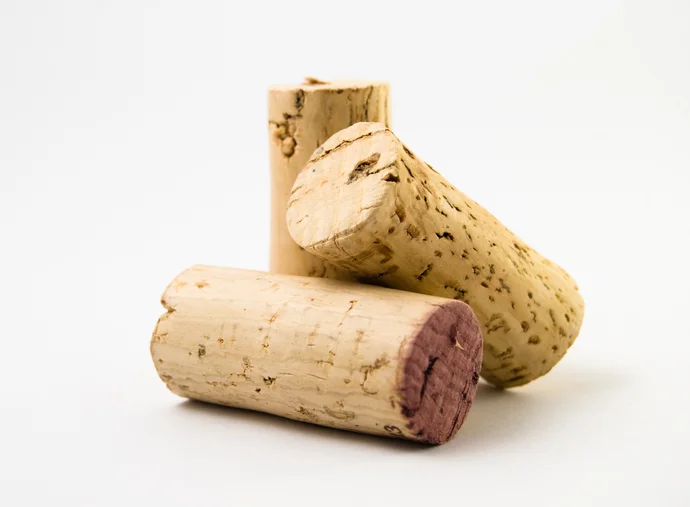
Three wine corks on top of each other on a white background.

Possible Symptoms

  • Coughing
  • Choking
  • Gagging

What to Do

  1. Wipe or rinse out mouth.
  2. Give a serving size of water to drink.
  3. Call 1-800-222-1222 for additional instructions.

Additional Information

Cork is most often associated with wine bottles, but it can be found in many household products. Its natural ability to float, water resistance, and insulation qualities make it useful in a wide variety of settings, including bulletin boards, coasters, insulation, flooring products, and even footwear and jewelry. But have you ever wondered where cork comes from?

Cork material is harvested from the bark of an evergreen oak tree, Quercus suber, which naturally grows in the Mediterranean region. It has been harvested for thousands of years, and Portugal is the primary producer, supplying about 50% of the world’s cork. It is both biodegradable and a renewable resource.

What if someone swallows part of a cork?

Luckily, cork is very safe. Swallowing small pieces in a glass of wine, for example, would not be expected to cause any harm or symptoms. Although the Quercus suber tree contains tannins, which can cause stomach upset, there are no reported cases of stomach upset from swallowed cork. Therefore, ingesting small pieces of cork is not expected to cause any harm.

However, eating large chunks or bites of cork is a choking hazard and higher risk for small children than adults. Signs and symptoms of choking include coughing, gagging, vomiting, a feeling of something “stuck” in the throat, wheezing, shortness of breath, or no sound, the skin turning blue or dusky. Choking is a medical emergency and requires calling 911 immediately.

If you find someone has eaten a small amount of cork, do not panic. Wipe out the mouth with a soft, wet cloth and give them some water to drink. Call the Missouri Poison Center right away at 1-800-222-1222. The poison center is open all day, every day, for poisoning emergencies and questions.

**Note: Don’t forget, every case is different. To make sure you are getting the best information for your individual situation, click below to call or chat. It is fast, free, and confidential.

Take The Missouri Poison Center With You

Emergencies don’t wait for you, so you shouldn’t have to wait to call for help. Get the Missouri Poison Center app with poison information and a link to the Poison Help Line. It is just a click away during the most stressful moments. Our registered nurses and pharmacists are here 24/7/365 days a year to help guide you through poison exposures and overdose emergencies.

Don’t wait. Download now.
Smartphone screen showing the Missouri Poison Center Poison Help app icon alongside other standard apps

Cart
Call Now