
Skip to content

Car Wax

Low Risk

Also known as:

automotive wax Car Guys car polish Cerakote® Chemical Guys Formula 1® Griot’s Garage Malco® Meguiars® Mothers® Nu Finish® Turtle Wax®

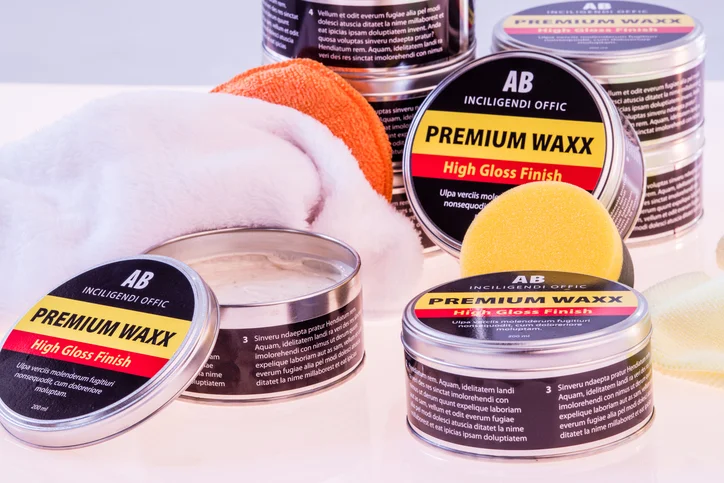
Tins of car wax beside foam applicators.

Possible Symptoms

  • Skin redness and irritation.
  • Minor stomach upset with nausea and vomiting.
  • Eye redness and irritation.

What to Do

  1. Wipe or rinse out mouth.
  2. Give a serving size of water to drink.
  3. Rinse any exposed skin with lukewarm water.
  4. Call 1-800-222-1222 for additional instructions.
If Exposed to Eyes

If someone gets car wax splashed in the eye, there can be immediate burning and stinging, which requires prompt first aid to avoid an eye injury.

  1. Start rinsing the eye(s) with lukewarm water.
  2. Call the Missouri Poison Center at 1-800-222-1222 for further recommendations.

Important

If the car wax is liquid and the person is coughing or choking, seek assistance immediately. Aspiration can occur while vomiting, so it is important to never induce vomiting, especially in someone who has swallowed liquid car wax.

Additional Information

Car waxes and polishes protect a vehicle’s exterior from environmental factors such as UV rays and airborne contaminants. The products on the market come in a variety of forms; some are in the form of wax, while most are in the form of pastes and liquids. Once the product is applied to the vehicle, it hardens on the exterior, creating a thin protective shell that helps resist heat, repel moisture, and serve as a barrier to the environmental elements.

Some products are waxes composed of a single ingredient, carnauba wax. Carnauba wax is derived from the leaves of the carnauba palm tree (Copernicia cerifera), found exclusively in the northeast area of Brazil. Carnauba wax is in many products, including medicines, cosmetics, oral hygiene products, and foods. In its natural form, the wax is safe for humans, whether ingested or applied to the skin.

Most products commonly purchased today contain some carnauba wax, as well as added ingredients such as beeswax, natural oils, synthetic polymers, petroleum distillates, and resins. The addition of these substances not only makes the product more affordable for consumers but also enhances the protection provided and the desired shine and gloss of the vehicle’s surface. Adding petroleum distillates liquefies the wax, making it easier to apply and spread evenly across the vehicle surface. The beeswax, oils, synthetic sealants, and ceramic coatings that may be present in various products result in increased durability and longer-lasting effects.

What to Do if Someone Eats Car Wax

Calls to the poison center often involve young children exploring their environment and getting a taste of car paste. If a child uses a liquid form, there can be an inadvertent splash on the mouth, skin, or eyes. Small, unintentional amounts of the paste or liquid can cause a bad taste in the mouth and slight stomach upset. Sometimes, there can be vomiting and a laxative-like effect. Most often, symptoms are self-limited and resolve once the product is out of the system.

A mouthful of liquid car wax is more concerning. Most products on the market contain petroleum distillates and will have a distinct kerosene or gasoline odor. If the product contains a petroleum distillate and the person experiences coughing, gagging, or choking, it is essential to call the poison control center immediately as there is a risk they may inhale the liquid into their lungs. This is called aspiration and needs to be watched closely for any symptoms of continued coughing, wheezing, or difficulty breathing that may need further medical evaluation.

If you find someone has eaten a small amount of car wax, do not panic. Wipe out the mouth with a soft, wet cloth and give them some water to drink. If problems start or you have questions, call the Missouri Poison Center right away at 1-800-222-1222. The poison center is open all day, every day, for poisoning emergencies and questions.

**Note: Don’t forget, every case is different. To make sure you are getting the best information for your individual situation, click below to call or chat. It is fast, free, and confidential.

Take The Missouri Poison Center With You

Emergencies don’t wait for you, so you shouldn’t have to wait to call for help. Get the Missouri Poison Center app with poison information and a link to the Poison Help Line. It is just a click away during the most stressful moments. Our registered nurses and pharmacists are here 24/7/365 days a year to help guide you through poison exposures and overdose emergencies.

Don’t wait. Download now.
Smartphone screen showing the Missouri Poison Center Poison Help app icon alongside other standard apps

Cart
Call Now