
Skip to content

Betadine®

Medium Risk

Also known as:

Betadine® Antiseptic First Aid Spray Betadine® Antiseptic Ointment Betadine® First Aid Antiseptic Solution Betadine® First Aid Skin Cleanser Betadine® Gargle & Mouthwash Betadine® Sore Throat Spray povidone-iodine

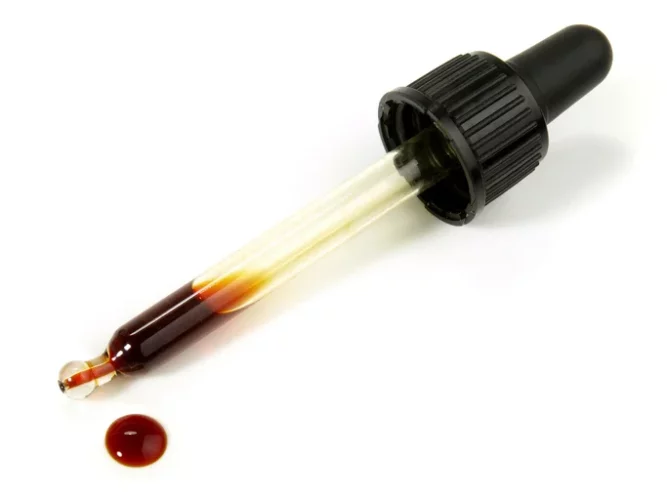
A glass dropper holds a bit of iodine at its tip. The dropper is on a white background and the iodine is brown. There's one droplet of iodine beside the dropper.

Possible Symptoms

  • Accidental Betadine ingestion can cause a burning sensation in the throat, nausea, vomiting, diarrhea, and stomach pain.
  • Using it on the skin can cause local swelling, pain, or redness.
  • Severe irritation of the skin, such as itching or burning, is less common.
  • If allergic to Betadine, there can be hives, difficulty breathing, or swelling of the face, lips, tongue, or throat.

What to Do

  1. Wipe or rinse out your mouth.
  2. Give a serving size of water to drink.
  3. Rinse any exposed skin with lukewarm water.
  4. Call 1-800-222-1222 for additional instructions.
If Exposed to Eyes

If someone gets Betadine in the eye(s), there can be immediate burning and stinging that requires prompt first aid to avoid an eye injury.

  1. Start rinsing eye(s) with lukewarm water.
  2. Call the Missouri Poison Center at 1-800-222-1222 for further recommendations.

Additional Information

Quick Facts about Betadine®:

What is Betadine?

Betadine® is an antiseptic solution that has multiple uses in the healthcare setting. It is applied to open cuts and wounds to disinfect and prevent infection, in the operating room to prepare skin for surgery, as over-the-counter products, such as mouthwash or sprays, to treat mouth infections, or as a solution to gargle with for sore throats. Betadine or povidone-iodine has many uses and is on the World Health Organization’s List of Essential Medicines.

The active ingredient in Betadine is povidone-iodine. Povidone is used in the pharmaceutical industry as a liquid to carry and deliver medications while iodine is the medication being delivered. Iodine is an essential nutrient that is not produced by the body; therefore, it must be obtained through the foods we eat. You can find iodine in iodized table salt, milk, eggs, certain fish, and seaweed. 

What is the difference between Betadine and iodine?

Betadine is an antiseptic liquid that is a form of iodine called povidone-iodine. When Betadine solution is applied to a wound, the iodine is released from povidone, where it can target any bacteria present in the wound. 

Iodine, by itself, is not a medication but an essential nutrient. The thyroid gland needs it to produce hormones that are responsible for functions such as regulating weight, growth, and body temperature. The povidone-iodine present in Betadine does not provide the nutrient value of plain iodine, rather it is used for the cleaning of wounds and preventing the spread of infections.

There are many forms of Betadine available to purchase over the counter. There are lozenges, ointments, gargles, mouthwash, and topical liquid solutions. It is important to read the directions carefully before using the specific Betadine product properly. For instance, Betadine solution should not be used as a gargle for a sore throat. There are products made specifically as a sore throat spray, and they are diluted properly for the medication to be used safely. 

What should you do if you suspect you have an iodine deficiency? 

This needs to be discussed with your healthcare provider who can order lab tests that will reveal if you truly have a deficiency. There are iodine supplements available but best practice is to take them under the instruction of a doctor. Betadine should NEVER be ingested.

General Use Guidelines:

  • Avoid Betadine products if you have a known allergy to iodine or povidone-iodine. 
  • When applying Betadine to the skin there are typically no toxic effects. However, there have been reports of skin irritation with prolonged exposure. 
  • Do not use Betadine for deep wounds or on large wounds without consulting a doctor first. 
  • When using a throat spray or product intended to be gargled, read the directions carefully before use. These products should be swished in the mouth or gargled in the back of the throat and then spat out. 

If you find someone has swallowed a small amount of Betadine, do not panic. Rinse with water or wipe out the mouth with a soft, wet cloth and give them some water to drink. If problems start or you have questions, call the Missouri Poison Center right away at 1-800-222-1222. The poison center is open all day, every day, for poisoning emergencies and questions.

**Note: Don’t forget, every case is different. To make sure you are getting the best information for your individual situation, click below to call or chat. It is fast, free, and confidential.

Take The Missouri Poison Center With You

Emergencies don’t wait for you, so you shouldn’t have to wait to call for help. Get the Missouri Poison Center app with poison information and a link to the Poison Help Line. It is just a click away during the most stressful moments. Our registered nurses and pharmacists are here 24/7/365 days a year to help guide you through poison exposures and overdose emergencies.

Don’t wait. Download now.
Smartphone screen showing the Missouri Poison Center Poison Help app icon alongside other standard apps

Cart
Call Now