
Skip to content

Aloe Vera

Low Risk

Also known as:

aloe barbadensis Aloe gel aloe juice aloe latex aloe vera sábila sávila

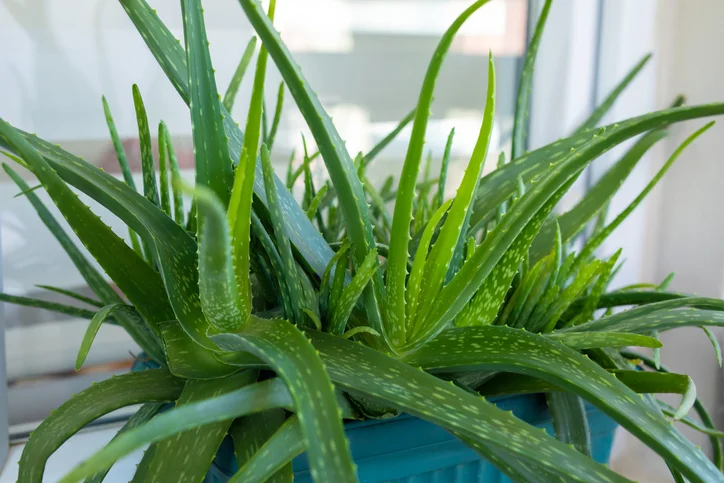
An aloe vera plant.

Possible Symptoms

  • Nausea and vomiting
  • Abdominal cramping
  • Diarrhea

What to Do

  1. Wipe or rinse out mouth. 
  2. Give a serving size of water to drink.
  3. Wash any exposed skin using a generous soapy lather and warm water.
  4. Call 1-800-222-1222 for additional instructions.
If Exposed to Eyes

If someone gets aloe in the eye, there can be immediate burning and stinging, which requires prompt first aid to avoid eye injury.

  1. Start rinsing eye(s) with lukewarm water.
  2. Call the Missouri Poison Center at 1-800-222-1222 for further recommendations.

Additional Information

Quick Facts About Aloe Vera

Aloe vera is a cactus-like plant that naturally grows in hot, dry climates. It is often found as an indoor house plant. There are about 500 species of Aloe plants. Aloe vera, also known as sábila or Aloe barbadensis, is the type used in food and medicine.

The aloe leaf has three important parts: outer green skin, a thin layer of latex under the skin, and clear gel on the inside of the leaf. Each part of the plant has been used as medicine, but the aloe gel is the safest part. The aloe skin and latex are more likely to cause skin irritation or upset the stomach.

Aloe gel is commonly used on the skin to promote wound healing. It may treat acne, abrasions, minor burns, and rashes, and is often a primary ingredient in sunburn remedies. Using aloe gel on the skin is generally considered safe. However, never eat skin products with aloe.

Can you eat aloe vera?

Aloe gel from inside the plant’s leaf can be eaten cautiously. Historically, it has been used to treat health problems such as diabetes, irritable bowel syndrome, stomach ulcers, or eczema. However, the health benefits of eating aloe are unknown, and there are risks. Use pre-packaged foods with aloe, such as aloe juice, in moderation.

When eating aloe gel, remove the aloe latex. Aloe latex is a thin, yellow layer under the skin. It contains aloin, which can cause mild stomach pain, vomiting, and diarrhea. Eating a lot can cause severe symptoms and possibly even dehydration, electrolyte problems, and kidney damage.

To prepare aloe gel, first peel or cut off the spiny, green skin on the outside of the leaf. Then remove the yellow latex layer underneath the skin. Rinse the translucent aloe gel with water to remove any latex residue. Then the aloe gel can be applied to the skin. Eating aloe gel may cause stomach upset in some people, even after removing all the latex.

If you find someone has eaten a small amount of aloe, do not panic. Wipe out the mouth with a soft, wet cloth and give them some water to drink. Call the Missouri Poison Center right away at 1-800-222-1222. The poison center is open all day, every day, for poisoning emergencies and questions.

**Note: Don’t forget, every case is different. To make sure you are getting the best information for your individual situation, click below to call or chat. It is fast, free, and confidential.

Take The Missouri Poison Center With You

Emergencies don’t wait for you, so you shouldn’t have to wait to call for help. Get the Missouri Poison Center app with poison information and a link to the Poison Help Line. It is just a click away during the most stressful moments. Our registered nurses and pharmacists are here 24/7/365 days a year to help guide you through poison exposures and overdose emergencies.

Don’t wait. Download now.

Smartphone screen showing the Missouri Poison Center Poison Help app icon alongside other standard apps

Cart
Call Now